Buy diceslot.be ?
We are moving the project
diceslot.be .
Are you interested in purchasing the domain
diceslot.be ?
domain@kv-gmbh.de · 0541-91531010
Buy diceslot.be ?
Is possessiveness a disease?
Possessiveness is not considered a disease in the medical sense, but it can be a harmful trait that negatively impacts relationships and mental well-being. Excessive possessiveness can lead to controlling behavior, jealousy, and insecurity, which can strain relationships and cause distress for both the possessive individual and their partner. It is important to address possessiveness through communication, self-reflection, and potentially seeking therapy to work through underlying issues that may be contributing to this behavior. **
Is possessiveness also present in marriage?
Yes, possessiveness can be present in marriage. It can stem from feelings of insecurity, fear of losing one's partner, or a desire to control the relationship. While some level of possessiveness is normal in a romantic relationship, it can become unhealthy if it leads to jealousy, controlling behavior, or lack of trust. It is important for couples to communicate openly, set boundaries, and work on building trust to prevent possessiveness from negatively impacting their marriage. **
Similar search terms for Possessiveness
Top-Angebote
Products related to Possessiveness:
-
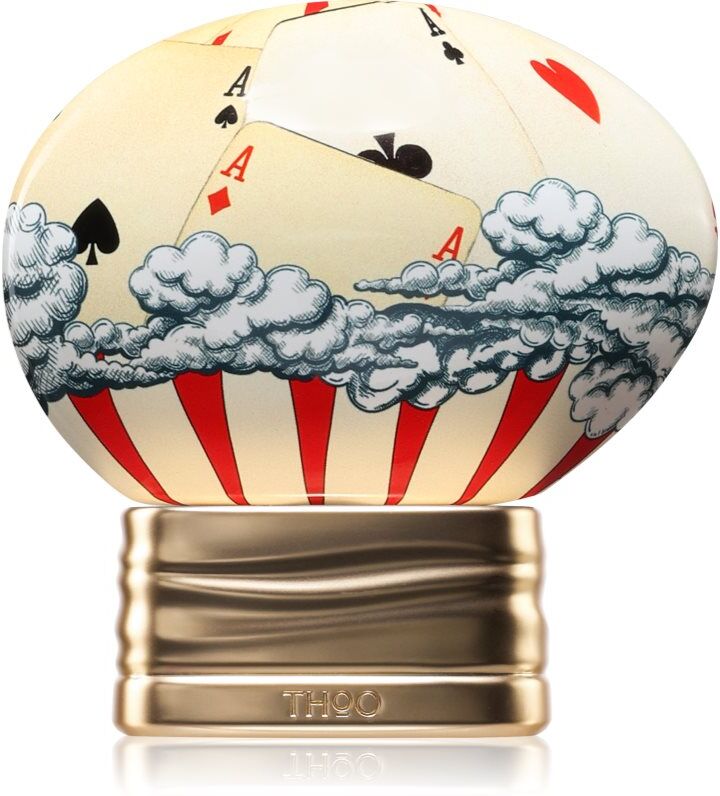
The House Of Oud Gambling Eau de Parfum mixte 75 mlThe House Of Oud Gambling, 75 ml, Eaux de Parfum mixte, Laissez-vous imprégner d’un parfum qui vous mettra de bonne humeur tout au long de la journée. L’eau de parfum mixte The House Of Oud Gambling reflète l’optimisme et le bonheur à l’état pur. parfum aromatique aux notes d’herbes parfum boisé pour les personnes au style peu conventionnel un parfum unique qui se prête aux occasions spéciales parfum mixte148,20 €*Shipping: 3,45 €Secure redirect to the provider
-
What is the difference between possessiveness and jealousy?
Possessiveness is the desire to control or own something or someone, often stemming from a sense of ownership or entitlement. It can manifest as wanting to have power over a person or object. Jealousy, on the other hand, is an emotional response to a perceived threat or loss of something valuable, such as a relationship or possession. It often involves feelings of insecurity, fear of abandonment, or competition with others. While possessiveness is more about control and ownership, jealousy is more about fear of losing something important. **
-
What can I do about my jealousy and possessiveness?
To address jealousy and possessiveness, it is important to first acknowledge and understand the root causes of these feelings. Reflect on past experiences or insecurities that may be contributing to these emotions. Practice open communication with your partner about your feelings and work together to build trust and reassurance. Additionally, focus on building your self-esteem and confidence to reduce feelings of insecurity that may be fueling jealousy. Seeking support from a therapist or counselor can also be beneficial in addressing and managing these emotions. **
-
What is the cause of jealousy: love or possessiveness?
Jealousy can stem from both love and possessiveness. Love can lead to jealousy when there is a fear of losing the affection and attention of a loved one to someone else. Possessiveness, on the other hand, can also lead to jealousy when there is a strong desire to control and own the other person. Both love and possessiveness can trigger feelings of insecurity and fear of losing the connection with the person, which can result in jealousy. Ultimately, the cause of jealousy can be a complex combination of love and possessiveness. **
-
Is the concept of human partnership, love, without jealousy and possessiveness not possible?
The concept of human partnership and love without jealousy and possessiveness is possible, but it requires a deep level of trust, communication, and emotional maturity from both partners. It involves understanding that each person is an individual with their own autonomy and freedom, and that love does not equate to ownership. It requires a secure attachment style and the ability to manage insecurities and fears. While it may be challenging, it is achievable through open and honest communication, mutual respect, and a commitment to personal growth. **
How does the desire for control manifest in relationships through possessiveness and dominance?
The desire for control in relationships can manifest through possessiveness by wanting to have ownership and control over the other person. This can lead to jealousy, monitoring their activities, and trying to limit their interactions with others. Dominance can manifest through the need to have power and authority over the other person, leading to controlling behavior, making all the decisions, and using manipulation or coercion to maintain control. Both possessiveness and dominance can create an unhealthy dynamic in a relationship, leading to feelings of suffocation, lack of autonomy, and ultimately, the erosion of trust and intimacy. **
What are sports betting and gambling?
Sports betting and gambling are activities where individuals place bets or wagers on the outcome of sporting events or games of chance, with the hope of winning money. In sports betting, individuals bet on the outcome of a specific sports event, such as the winner of a game or the total number of points scored. Gambling, on the other hand, encompasses a wider range of activities, including casino games, lotteries, and other games of chance where individuals bet money on the possibility of a particular outcome. Both sports betting and gambling involve an element of risk and chance, and can be both entertaining and potentially lucrative for participants. **
Top-Angebote
Products related to Possessiveness:
-
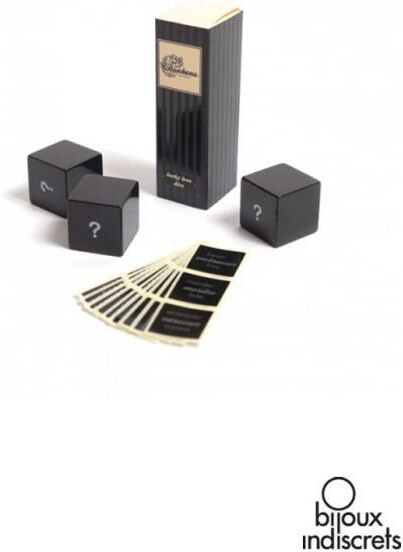
Bijoux Indiscrets Jeu de dés sensuel lucky love diceLancez les dés et laissez le hasard guider vos envies. Simple, ludique, excitant. Le Jeu de dés sensuel lucky love dice de Bijoux Indiscrets transforme chaque moment à deux en terrain d’exploration complice. Trois petits cubes, une infinité de combinaisons pour réveiller la curiosité et la7,95 €*Shipping: 3,90 €Secure redirect to the provider
-
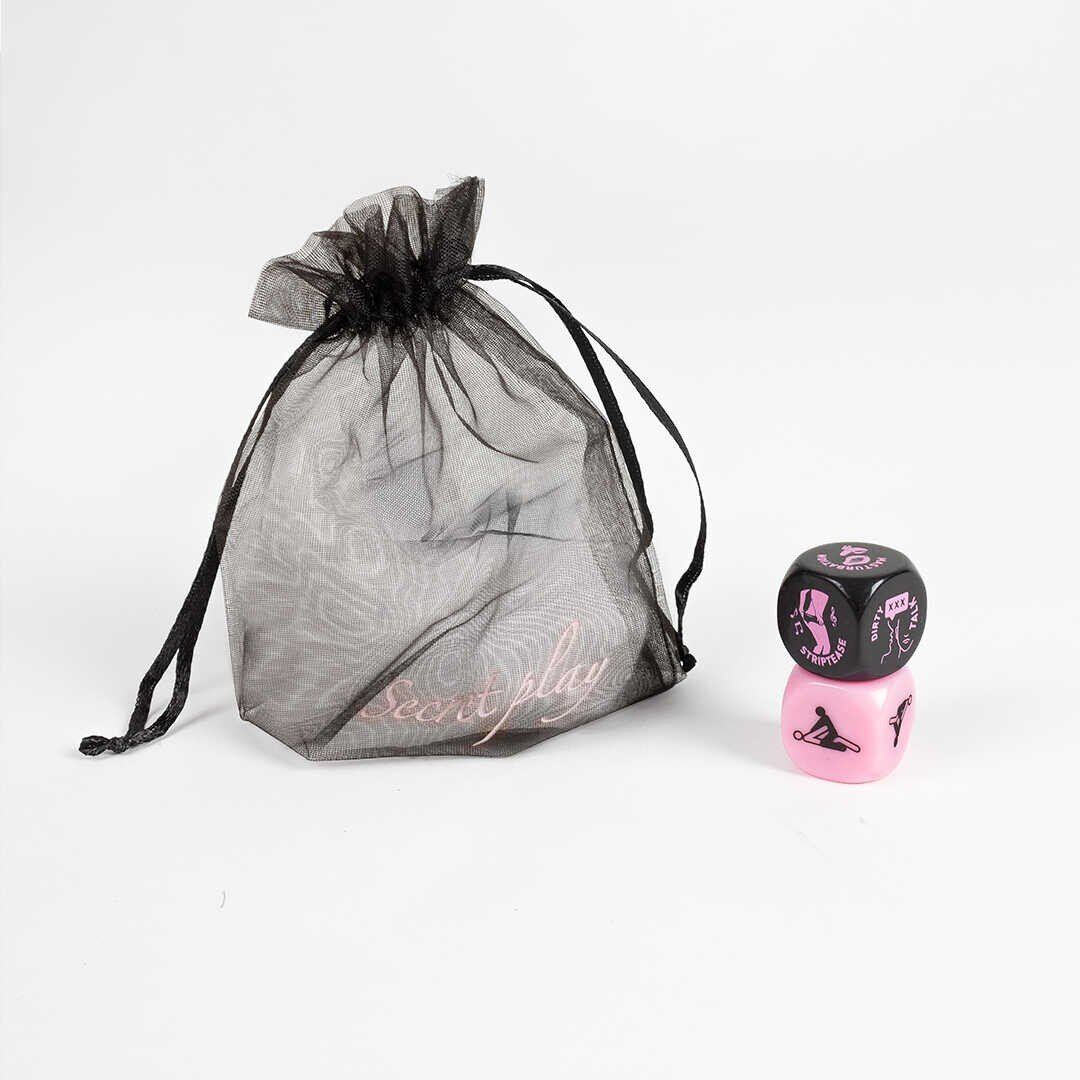
Secret Play Jeux de deux dés foreplay fanatics ! Dice lovers !Lancez les dés et laissez la curiosité guider vos gestes. C’est simple, ludique et terriblement excitant. Avec Jeux de deux dés foreplay fanatics ! Dice lovers ! de Secret Play, chaque lancer devient une promesse de découverte complice. Le plaisir se cache dans l’imprévisible, et ces petits cubes4,99 €*Shipping: 3,90 €Secure redirect to the provider
-
The House Of Oud Gambling Eau de Parfum mixte 75 mlThe House Of Oud Gambling, 75 ml, Eaux de Parfum mixte, Laissez-vous imprégner d’un parfum qui vous mettra de bonne humeur tout au long de la journée. L’eau de parfum mixte The House Of Oud Gambling reflète l’optimisme et le bonheur à l’état pur. parfum aromatique aux notes d’herbes parfum boisé pour les personnes au style peu conventionnel un parfum unique qui se prête aux occasions spéciales parfum mixte148,20 €*Shipping: 3,45 €Secure redirect to the provider
-
Is possessiveness a disease?
Possessiveness is not considered a disease in the medical sense, but it can be a harmful trait that negatively impacts relationships and mental well-being. Excessive possessiveness can lead to controlling behavior, jealousy, and insecurity, which can strain relationships and cause distress for both the possessive individual and their partner. It is important to address possessiveness through communication, self-reflection, and potentially seeking therapy to work through underlying issues that may be contributing to this behavior. **
-
Is possessiveness also present in marriage?
Yes, possessiveness can be present in marriage. It can stem from feelings of insecurity, fear of losing one's partner, or a desire to control the relationship. While some level of possessiveness is normal in a romantic relationship, it can become unhealthy if it leads to jealousy, controlling behavior, or lack of trust. It is important for couples to communicate openly, set boundaries, and work on building trust to prevent possessiveness from negatively impacting their marriage. **
-
What is the difference between possessiveness and jealousy?
Possessiveness is the desire to control or own something or someone, often stemming from a sense of ownership or entitlement. It can manifest as wanting to have power over a person or object. Jealousy, on the other hand, is an emotional response to a perceived threat or loss of something valuable, such as a relationship or possession. It often involves feelings of insecurity, fear of abandonment, or competition with others. While possessiveness is more about control and ownership, jealousy is more about fear of losing something important. **
-
What can I do about my jealousy and possessiveness?
To address jealousy and possessiveness, it is important to first acknowledge and understand the root causes of these feelings. Reflect on past experiences or insecurities that may be contributing to these emotions. Practice open communication with your partner about your feelings and work together to build trust and reassurance. Additionally, focus on building your self-esteem and confidence to reduce feelings of insecurity that may be fueling jealousy. Seeking support from a therapist or counselor can also be beneficial in addressing and managing these emotions. **
Similar search terms for Possessiveness
-
What is the cause of jealousy: love or possessiveness?
Jealousy can stem from both love and possessiveness. Love can lead to jealousy when there is a fear of losing the affection and attention of a loved one to someone else. Possessiveness, on the other hand, can also lead to jealousy when there is a strong desire to control and own the other person. Both love and possessiveness can trigger feelings of insecurity and fear of losing the connection with the person, which can result in jealousy. Ultimately, the cause of jealousy can be a complex combination of love and possessiveness. **
-
Is the concept of human partnership, love, without jealousy and possessiveness not possible?
The concept of human partnership and love without jealousy and possessiveness is possible, but it requires a deep level of trust, communication, and emotional maturity from both partners. It involves understanding that each person is an individual with their own autonomy and freedom, and that love does not equate to ownership. It requires a secure attachment style and the ability to manage insecurities and fears. While it may be challenging, it is achievable through open and honest communication, mutual respect, and a commitment to personal growth. **
-
How does the desire for control manifest in relationships through possessiveness and dominance?
The desire for control in relationships can manifest through possessiveness by wanting to have ownership and control over the other person. This can lead to jealousy, monitoring their activities, and trying to limit their interactions with others. Dominance can manifest through the need to have power and authority over the other person, leading to controlling behavior, making all the decisions, and using manipulation or coercion to maintain control. Both possessiveness and dominance can create an unhealthy dynamic in a relationship, leading to feelings of suffocation, lack of autonomy, and ultimately, the erosion of trust and intimacy. **
-
What are sports betting and gambling?
Sports betting and gambling are activities where individuals place bets or wagers on the outcome of sporting events or games of chance, with the hope of winning money. In sports betting, individuals bet on the outcome of a specific sports event, such as the winner of a game or the total number of points scored. Gambling, on the other hand, encompasses a wider range of activities, including casino games, lotteries, and other games of chance where individuals bet money on the possibility of a particular outcome. Both sports betting and gambling involve an element of risk and chance, and can be both entertaining and potentially lucrative for participants. **
* All prices are inclusive of VAT and, if applicable, plus shipping costs. The offer information is based on the details provided by the respective shop and is updated through automated processes. Real-time updates do not occur, so deviations can occur in individual cases. ** Note: Parts of this content were created by AI.