Buy diceslot.be ?
We are moving the project
diceslot.be .
Are you interested in purchasing the domain
diceslot.be ?
domain@kv-gmbh.de · 0541-91531010
Buy diceslot.be ?
Why is the dragonfly called "dragonfly" in English?
The name "dragonfly" in English is believed to have originated from the insect's appearance and behavior. The dragonfly's large, powerful wings and agile flight are reminiscent of the mythical dragon, while its long, slender body and fierce hunting abilities also contribute to the association with the legendary creature. Additionally, the name may have been influenced by the Old English word "drake," which means dragon, and "fly," referring to its ability to fly swiftly. Overall, the name "dragonfly" captures the insect's impressive and mythical qualities. **
Is this dragonfly rare?
Yes, the dragonfly in the image appears to be rare. Its vibrant colors and unique wing patterns suggest that it may belong to a rare or uncommon species. Additionally, the intricate details on its body and wings further indicate that it is not a common dragonfly variety. Overall, the rarity of this dragonfly can be inferred from its distinct appearance compared to more common dragonfly species. **

Similar search terms for Dragonfly
Top-Angebote
Products related to Dragonfly:
-
Which dragonfly is this?
Based on the description provided, the dragonfly in question is likely a Blue Dasher (Pachydiplax longipennis). This species is known for its vibrant blue and green coloring, as well as its characteristic perching behavior. Blue Dashers are commonly found near bodies of water such as ponds, lakes, and marshes, where they hunt for small insects. Their distinctive appearance and behavior make them a recognizable and popular species among dragonfly enthusiasts. **
-
Do tadpoles eat dragonfly larvae?
Yes, tadpoles do eat dragonfly larvae. Tadpoles are herbivorous and feed on algae, plants, and small invertebrates, including dragonfly larvae. This is a natural part of their diet as they grow and develop into adult frogs. Dragonfly larvae are a good source of protein for tadpoles and help them to grow and thrive in their aquatic environment. **
-
How can one save a dragonfly?
To save a dragonfly, one can start by creating a safe environment for them by providing a clean water source and planting native vegetation in their habitat. It is important to avoid using pesticides or chemicals that can harm dragonflies and other beneficial insects. If you find a dragonfly in distress, you can gently place them on a flat surface in a sunny spot to warm up their wings before they can fly away. Additionally, educating others about the importance of dragonflies in the ecosystem can help raise awareness and promote conservation efforts. **
-
How do you preserve a dragonfly?
To preserve a dragonfly, you can start by carefully catching it without causing any damage to its delicate wings. Once caught, you can gently place the dragonfly in a container with a lid to prevent it from escaping. To preserve it for display, you can carefully pin the dragonfly onto a board or place it in a specialized preserving solution. It's important to handle the dragonfly with care to avoid damaging its fragile body. **
What are dragonfly wings made of?
Dragonfly wings are made of a thin, transparent membrane called the wing blade, which is supported by a network of veins. The wing blade is made of chitin, a tough and lightweight material that is also found in the exoskeletons of insects. This structure allows dragonflies to have strong and flexible wings, which are essential for their agile flight and hunting abilities. **
What kind of dragonfly is that?
That dragonfly appears to be a common green darner (Anax junius). This species is known for its bright green coloration and large size, with a wingspan of up to 3 inches. Common green darners are found throughout North America and are often seen near bodies of water where they hunt for small insects. They are strong and agile fliers, making them a common sight in many outdoor environments. **
Top-Angebote
Products related to Dragonfly:
-
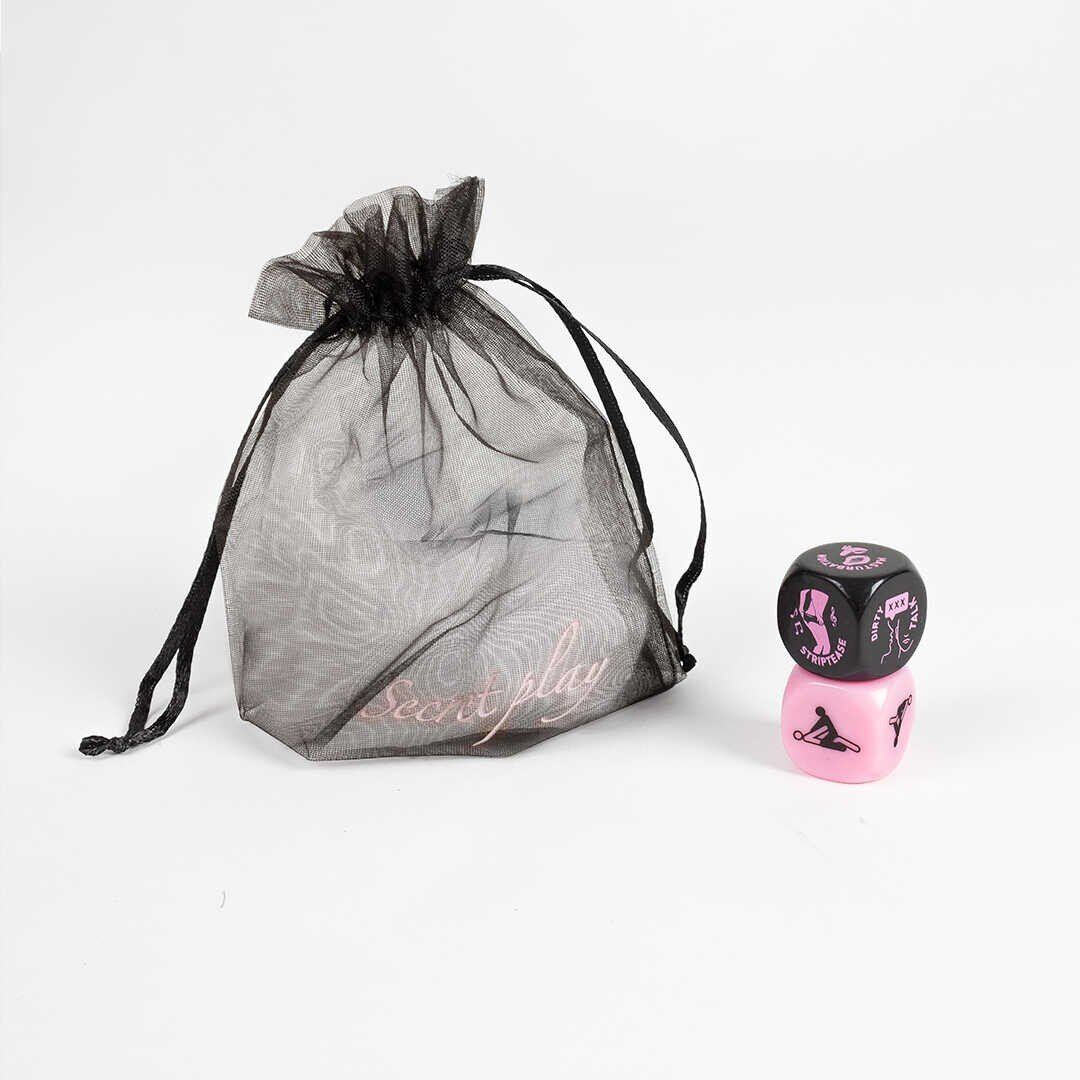
Secret Play Jeux de deux dés foreplay fanatics ! Dice lovers !Lancez les dés et laissez la curiosité guider vos gestes. C’est simple, ludique et terriblement excitant. Avec Jeux de deux dés foreplay fanatics ! Dice lovers ! de Secret Play, chaque lancer devient une promesse de découverte complice. Le plaisir se cache dans l’imprévisible, et ces petits cubes4,99 €*Shipping: 3,90 €Secure redirect to the provider
-
The House Of Oud Gambling Eau de Parfum mixte 75 mlThe House Of Oud Gambling, 75 ml, Eaux de Parfum mixte, Laissez-vous imprégner d’un parfum qui vous mettra de bonne humeur tout au long de la journée. L’eau de parfum mixte The House Of Oud Gambling reflète l’optimisme et le bonheur à l’état pur. parfum aromatique aux notes d’herbes parfum boisé pour les personnes au style peu conventionnel un parfum unique qui se prête aux occasions spéciales parfum mixte134,90 €*Shipping: 3,45 €Secure redirect to the provider
-
Why is the dragonfly called "dragonfly" in English?
The name "dragonfly" in English is believed to have originated from the insect's appearance and behavior. The dragonfly's large, powerful wings and agile flight are reminiscent of the mythical dragon, while its long, slender body and fierce hunting abilities also contribute to the association with the legendary creature. Additionally, the name may have been influenced by the Old English word "drake," which means dragon, and "fly," referring to its ability to fly swiftly. Overall, the name "dragonfly" captures the insect's impressive and mythical qualities. **
-
Is this dragonfly rare?
Yes, the dragonfly in the image appears to be rare. Its vibrant colors and unique wing patterns suggest that it may belong to a rare or uncommon species. Additionally, the intricate details on its body and wings further indicate that it is not a common dragonfly variety. Overall, the rarity of this dragonfly can be inferred from its distinct appearance compared to more common dragonfly species. **
-
Which dragonfly is this?
Based on the description provided, the dragonfly in question is likely a Blue Dasher (Pachydiplax longipennis). This species is known for its vibrant blue and green coloring, as well as its characteristic perching behavior. Blue Dashers are commonly found near bodies of water such as ponds, lakes, and marshes, where they hunt for small insects. Their distinctive appearance and behavior make them a recognizable and popular species among dragonfly enthusiasts. **
-
Do tadpoles eat dragonfly larvae?
Yes, tadpoles do eat dragonfly larvae. Tadpoles are herbivorous and feed on algae, plants, and small invertebrates, including dragonfly larvae. This is a natural part of their diet as they grow and develop into adult frogs. Dragonfly larvae are a good source of protein for tadpoles and help them to grow and thrive in their aquatic environment. **
Similar search terms for Dragonfly
-
How can one save a dragonfly?
To save a dragonfly, one can start by creating a safe environment for them by providing a clean water source and planting native vegetation in their habitat. It is important to avoid using pesticides or chemicals that can harm dragonflies and other beneficial insects. If you find a dragonfly in distress, you can gently place them on a flat surface in a sunny spot to warm up their wings before they can fly away. Additionally, educating others about the importance of dragonflies in the ecosystem can help raise awareness and promote conservation efforts. **
-
How do you preserve a dragonfly?
To preserve a dragonfly, you can start by carefully catching it without causing any damage to its delicate wings. Once caught, you can gently place the dragonfly in a container with a lid to prevent it from escaping. To preserve it for display, you can carefully pin the dragonfly onto a board or place it in a specialized preserving solution. It's important to handle the dragonfly with care to avoid damaging its fragile body. **
-
What are dragonfly wings made of?
Dragonfly wings are made of a thin, transparent membrane called the wing blade, which is supported by a network of veins. The wing blade is made of chitin, a tough and lightweight material that is also found in the exoskeletons of insects. This structure allows dragonflies to have strong and flexible wings, which are essential for their agile flight and hunting abilities. **
-
What kind of dragonfly is that?
That dragonfly appears to be a common green darner (Anax junius). This species is known for its bright green coloration and large size, with a wingspan of up to 3 inches. Common green darners are found throughout North America and are often seen near bodies of water where they hunt for small insects. They are strong and agile fliers, making them a common sight in many outdoor environments. **
* All prices are inclusive of VAT and, if applicable, plus shipping costs. The offer information is based on the details provided by the respective shop and is updated through automated processes. Real-time updates do not occur, so deviations can occur in individual cases. ** Note: Parts of this content were created by AI.