Buy diceslot.be ?
We are moving the project
diceslot.be .
Are you interested in purchasing the domain
diceslot.be ?
domain@kv-gmbh.de · 0541-91531010
Buy diceslot.be ?
How do I multiply a fraction by a fraction?
To multiply a fraction by a fraction, you simply multiply the numerators together to get the new numerator, and then multiply the denominators together to get the new denominator. For example, if you want to multiply 1/2 by 2/3, you would multiply 1 and 2 to get 2 as the new numerator, and multiply 2 and 3 to get 6 as the new denominator. Therefore, 1/2 multiplied by 2/3 equals 2/6, which can be simplified to 1/3. **
Is 1150 a finite fraction or a repeating fraction?
1150 is a finite fraction because it can be expressed as a whole number divided by another whole number. In this case, 1150 can be written as 1150/1, which is a finite fraction. A repeating fraction would have a pattern of digits that repeats infinitely after the decimal point, which is not the case for 1150. **

Similar search terms for Fraction
Top-Angebote
Products related to Fraction:
-
The House Of Oud Gambling Eau de Parfum mixte 75 mlThe House Of Oud Gambling, 75 ml, Eaux de Parfum mixte, Laissez-vous imprégner d’un parfum qui vous mettra de bonne humeur tout au long de la journée. L’eau de parfum mixte The House Of Oud Gambling reflète l’optimisme et le bonheur à l’état pur. parfum aromatique aux notes d’herbes parfum boisé pour les personnes au style peu conventionnel un parfum unique qui se prête aux occasions spéciales parfum mixte148,20 €*Shipping: 3,45 €Secure redirect to the provider

-
How do you multiply a fraction by a fraction?
To multiply a fraction by a fraction, you simply multiply the numerators together to get the new numerator, and then multiply the denominators together to get the new denominator. For example, if you want to multiply 1/2 by 3/4, you would multiply 1 and 3 to get 3 as the new numerator, and then multiply 2 and 4 to get 8 as the new denominator. So, 1/2 multiplied by 3/4 equals 3/8. **
-
How do I multiply a fraction by another fraction?
To multiply a fraction by another fraction, you simply multiply the numerators together to get the new numerator, and multiply the denominators together to get the new denominator. For example, if you want to multiply 1/2 by 2/3, you would multiply 1 and 2 to get 2 as the new numerator, and multiply 2 and 3 to get 6 as the new denominator. So, 1/2 multiplied by 2/3 equals 2/6, which can be simplified to 1/3. **
-
How can one convert a fraction into a hundredth fraction?
To convert a fraction into a hundredth fraction, you need to first find an equivalent fraction with a denominator of 100. To do this, multiply both the numerator and denominator of the original fraction by a number that will make the denominator 100 (e.g., if the original fraction is 1/4, multiply both the numerator and denominator by 25 to get 25/100). This will give you the fraction in hundredths. **
-
How can you convert a fraction into a hundredth fraction?
To convert a fraction into a hundredth fraction, you need to first make sure the denominator is 100. If the denominator is not already 100, you can multiply both the numerator and denominator by the same number to make the denominator 100. For example, if you have the fraction 1/4, you can multiply both the numerator and denominator by 25 to get 25/100, which is the hundredth fraction equivalent of 1/4. **
How does one convert from molar fraction to mass fraction?
To convert from molar fraction to mass fraction, you need to know the molar mass of each component in the mixture. First, calculate the mass of each component by multiplying its molar fraction by the total mass of the mixture. Then, divide the mass of each component by the total mass of the mixture to get the mass fraction. Finally, express the mass fraction as a percentage by multiplying by 100. **
How do you convert from molar fraction to mass fraction?
To convert from molar fraction to mass fraction, you first need to determine the molar mass of each component in the mixture. Then, you multiply the molar fraction of each component by its molar mass to get the mass of each component. Finally, divide the mass of each component by the total mass of the mixture and multiply by 100 to get the mass fraction of each component in the mixture. **
Top-Angebote
Products related to Fraction:
-
Bijoux Indiscrets Jeu de dés sensuel lucky love diceLancez les dés et laissez le hasard guider vos envies. Simple, ludique, excitant. Le Jeu de dés sensuel lucky love dice de Bijoux Indiscrets transforme chaque moment à deux en terrain d’exploration complice. Trois petits cubes, une infinité de combinaisons pour réveiller la curiosité et la7,95 €*Shipping: 3,90 €Secure redirect to the provider
-
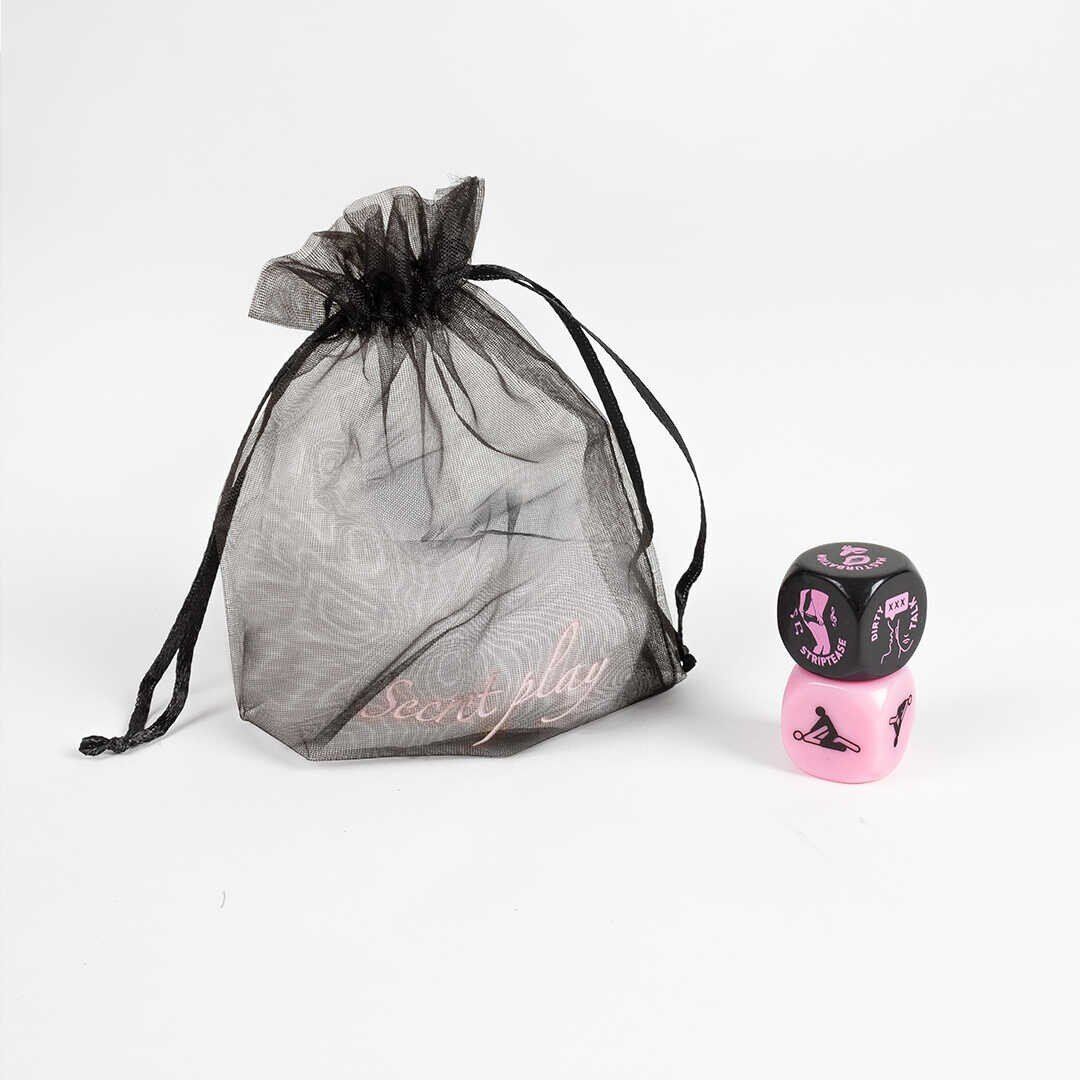
Secret Play Jeux de deux dés foreplay fanatics ! Dice lovers !Lancez les dés et laissez la curiosité guider vos gestes. C’est simple, ludique et terriblement excitant. Avec Jeux de deux dés foreplay fanatics ! Dice lovers ! de Secret Play, chaque lancer devient une promesse de découverte complice. Le plaisir se cache dans l’imprévisible, et ces petits cubes4,99 €*Shipping: 3,90 €Secure redirect to the provider
-
The House Of Oud Gambling Eau de Parfum mixte 75 mlThe House Of Oud Gambling, 75 ml, Eaux de Parfum mixte, Laissez-vous imprégner d’un parfum qui vous mettra de bonne humeur tout au long de la journée. L’eau de parfum mixte The House Of Oud Gambling reflète l’optimisme et le bonheur à l’état pur. parfum aromatique aux notes d’herbes parfum boisé pour les personnes au style peu conventionnel un parfum unique qui se prête aux occasions spéciales parfum mixte148,20 €*Shipping: 3,45 €Secure redirect to the provider
-
How do I multiply a fraction by a fraction?
To multiply a fraction by a fraction, you simply multiply the numerators together to get the new numerator, and then multiply the denominators together to get the new denominator. For example, if you want to multiply 1/2 by 2/3, you would multiply 1 and 2 to get 2 as the new numerator, and multiply 2 and 3 to get 6 as the new denominator. Therefore, 1/2 multiplied by 2/3 equals 2/6, which can be simplified to 1/3. **
-
Is 1150 a finite fraction or a repeating fraction?
1150 is a finite fraction because it can be expressed as a whole number divided by another whole number. In this case, 1150 can be written as 1150/1, which is a finite fraction. A repeating fraction would have a pattern of digits that repeats infinitely after the decimal point, which is not the case for 1150. **
-
How do you multiply a fraction by a fraction?
To multiply a fraction by a fraction, you simply multiply the numerators together to get the new numerator, and then multiply the denominators together to get the new denominator. For example, if you want to multiply 1/2 by 3/4, you would multiply 1 and 3 to get 3 as the new numerator, and then multiply 2 and 4 to get 8 as the new denominator. So, 1/2 multiplied by 3/4 equals 3/8. **
-
How do I multiply a fraction by another fraction?
To multiply a fraction by another fraction, you simply multiply the numerators together to get the new numerator, and multiply the denominators together to get the new denominator. For example, if you want to multiply 1/2 by 2/3, you would multiply 1 and 2 to get 2 as the new numerator, and multiply 2 and 3 to get 6 as the new denominator. So, 1/2 multiplied by 2/3 equals 2/6, which can be simplified to 1/3. **
Similar search terms for Fraction
-
How can one convert a fraction into a hundredth fraction?
To convert a fraction into a hundredth fraction, you need to first find an equivalent fraction with a denominator of 100. To do this, multiply both the numerator and denominator of the original fraction by a number that will make the denominator 100 (e.g., if the original fraction is 1/4, multiply both the numerator and denominator by 25 to get 25/100). This will give you the fraction in hundredths. **
-
How can you convert a fraction into a hundredth fraction?
To convert a fraction into a hundredth fraction, you need to first make sure the denominator is 100. If the denominator is not already 100, you can multiply both the numerator and denominator by the same number to make the denominator 100. For example, if you have the fraction 1/4, you can multiply both the numerator and denominator by 25 to get 25/100, which is the hundredth fraction equivalent of 1/4. **
-
How does one convert from molar fraction to mass fraction?
To convert from molar fraction to mass fraction, you need to know the molar mass of each component in the mixture. First, calculate the mass of each component by multiplying its molar fraction by the total mass of the mixture. Then, divide the mass of each component by the total mass of the mixture to get the mass fraction. Finally, express the mass fraction as a percentage by multiplying by 100. **
-
How do you convert from molar fraction to mass fraction?
To convert from molar fraction to mass fraction, you first need to determine the molar mass of each component in the mixture. Then, you multiply the molar fraction of each component by its molar mass to get the mass of each component. Finally, divide the mass of each component by the total mass of the mixture and multiply by 100 to get the mass fraction of each component in the mixture. **
* All prices are inclusive of VAT and, if applicable, plus shipping costs. The offer information is based on the details provided by the respective shop and is updated through automated processes. Real-time updates do not occur, so deviations can occur in individual cases. ** Note: Parts of this content were created by AI.