Buy diceslot.be ?
We are moving the project
diceslot.be .
Are you interested in purchasing the domain
diceslot.be ?
domain@kv-gmbh.de · 0541-91531010
Buy diceslot.be ?
What is the difference between monotony and strict monotony?
Monotony refers to a sequence that is either non-decreasing or non-increasing, meaning the terms are either staying the same or consistently increasing or decreasing. On the other hand, strict monotony refers to a sequence that is strictly increasing or strictly decreasing, meaning the terms are always increasing or decreasing without remaining the same. In other words, strict monotony does not allow for consecutive terms to be equal, while monotony does. **
What follows monotony?
What follows monotony is often a desire for change or variety. When people become bored or tired of the same routine or repetitive tasks, they may seek out new experiences, challenges, or opportunities to break free from the monotony. This can lead to personal growth, creativity, and a renewed sense of energy and motivation. In some cases, it may also lead to a period of discomfort or uncertainty as individuals navigate the transition from monotony to something new. **

Similar search terms for Monotony
Top-Angebote
Products related to Monotony:
-
Secret Play Jeux de deux dés foreplay fanatics ! Dice lovers !Lancez les dés et laissez la curiosité guider vos gestes. C’est simple, ludique et terriblement excitant. Avec Jeux de deux dés foreplay fanatics ! Dice lovers ! de Secret Play, chaque lancer devient une promesse de découverte complice. Le plaisir se cache dans l’imprévisible, et ces petits cubes4,99 €*Shipping: 3,90 €Secure redirect to the provider

-
How does monotony behave?
Monotony is characterized by repetition, lack of variation, and predictability. It can lead to feelings of boredom, disinterest, and a sense of being stuck in a routine. Monotony can also have negative effects on motivation and creativity, as it can make tasks seem mundane and unstimulating. Overall, monotony tends to create a sense of sameness and can be detrimental to overall well-being if not addressed. **
-
What does monotony mean?
Monotony refers to a lack of variety or change, resulting in a tedious and repetitive experience. It can apply to various aspects of life, such as daily routines, work tasks, or even relationships. Monotony can lead to feelings of boredom, disengagement, and a lack of motivation. It is important to break up monotony with new experiences and activities to maintain a sense of excitement and fulfillment. **
-
What is Monotony 14?
Monotony 14 is a term used to describe the feeling of being stuck in a repetitive and unchanging routine. It can refer to a sense of boredom, lack of excitement, and a feeling of sameness in one's daily life. This feeling can lead to a lack of motivation and a desire for change or variety. It is important to recognize and address monotony in order to maintain a sense of fulfillment and purpose in life. **
-
What is monotony in mathematics?
Monotony in mathematics refers to the property of a function that either consistently increases or consistently decreases as its input values change. A function is said to be monotonically increasing if its output values increase as its input values increase, and monotonically decreasing if its output values decrease as its input values increase. Monotony is an important concept in calculus and analysis, as it helps in understanding the behavior and properties of functions. **
How can one recognize monotony?
Monotony can be recognized when a task or activity becomes repetitive and predictable, lacking in variation or excitement. Signs of monotony may include feeling bored, unmotivated, or disengaged while performing the task. Additionally, a sense of time dragging on or feeling like you are going through the motions without any sense of challenge or interest can also indicate monotony. Overall, monotony is characterized by a lack of stimulation or novelty in one's experiences. **
How can one investigate monotony?
One can investigate monotony by observing patterns and repetitions in a given situation or behavior. This can involve tracking changes over time, analyzing data for consistent trends, or conducting experiments to see how variations in certain factors affect monotony. Additionally, interviewing individuals who are experiencing monotony can provide insights into their thoughts and feelings about the repetitive nature of their experiences. Overall, investigating monotony requires a combination of observation, analysis, and qualitative research methods. **
Top-Angebote
Products related to Monotony:
-
Bijoux Indiscrets Jeu de dés sensuel lucky love diceLancez les dés et laissez le hasard guider vos envies. Simple, ludique, excitant. Le Jeu de dés sensuel lucky love dice de Bijoux Indiscrets transforme chaque moment à deux en terrain d’exploration complice. Trois petits cubes, une infinité de combinaisons pour réveiller la curiosité et la7,95 €*Shipping: 3,90 €Secure redirect to the provider
-
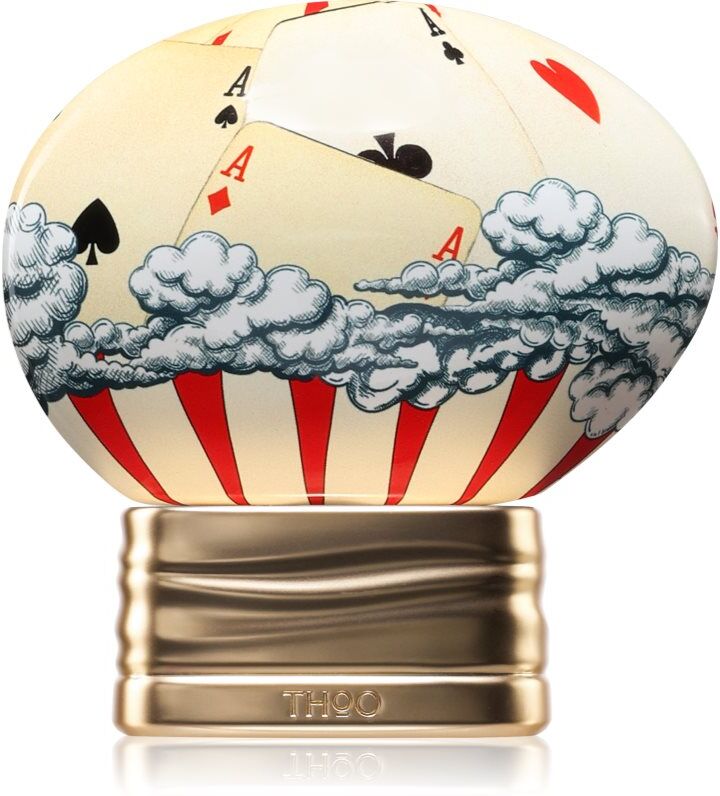
The House Of Oud Gambling Eau de Parfum mixte 75 mlThe House Of Oud Gambling, 75 ml, Eaux de Parfum mixte, Laissez-vous imprégner d’un parfum qui vous mettra de bonne humeur tout au long de la journée. L’eau de parfum mixte The House Of Oud Gambling reflète l’optimisme et le bonheur à l’état pur. parfum aromatique aux notes d’herbes parfum boisé pour les personnes au style peu conventionnel un parfum unique qui se prête aux occasions spéciales parfum mixte134,90 €*Shipping: 3,45 €Secure redirect to the provider
-
Secret Play Jeux de deux dés foreplay fanatics ! Dice lovers !Lancez les dés et laissez la curiosité guider vos gestes. C’est simple, ludique et terriblement excitant. Avec Jeux de deux dés foreplay fanatics ! Dice lovers ! de Secret Play, chaque lancer devient une promesse de découverte complice. Le plaisir se cache dans l’imprévisible, et ces petits cubes4,99 €*Shipping: 3,90 €Secure redirect to the provider
-
What is the difference between monotony and strict monotony?
Monotony refers to a sequence that is either non-decreasing or non-increasing, meaning the terms are either staying the same or consistently increasing or decreasing. On the other hand, strict monotony refers to a sequence that is strictly increasing or strictly decreasing, meaning the terms are always increasing or decreasing without remaining the same. In other words, strict monotony does not allow for consecutive terms to be equal, while monotony does. **
-
What follows monotony?
What follows monotony is often a desire for change or variety. When people become bored or tired of the same routine or repetitive tasks, they may seek out new experiences, challenges, or opportunities to break free from the monotony. This can lead to personal growth, creativity, and a renewed sense of energy and motivation. In some cases, it may also lead to a period of discomfort or uncertainty as individuals navigate the transition from monotony to something new. **
-
How does monotony behave?
Monotony is characterized by repetition, lack of variation, and predictability. It can lead to feelings of boredom, disinterest, and a sense of being stuck in a routine. Monotony can also have negative effects on motivation and creativity, as it can make tasks seem mundane and unstimulating. Overall, monotony tends to create a sense of sameness and can be detrimental to overall well-being if not addressed. **
-
What does monotony mean?
Monotony refers to a lack of variety or change, resulting in a tedious and repetitive experience. It can apply to various aspects of life, such as daily routines, work tasks, or even relationships. Monotony can lead to feelings of boredom, disengagement, and a lack of motivation. It is important to break up monotony with new experiences and activities to maintain a sense of excitement and fulfillment. **
Similar search terms for Monotony
-
What is Monotony 14?
Monotony 14 is a term used to describe the feeling of being stuck in a repetitive and unchanging routine. It can refer to a sense of boredom, lack of excitement, and a feeling of sameness in one's daily life. This feeling can lead to a lack of motivation and a desire for change or variety. It is important to recognize and address monotony in order to maintain a sense of fulfillment and purpose in life. **
-
What is monotony in mathematics?
Monotony in mathematics refers to the property of a function that either consistently increases or consistently decreases as its input values change. A function is said to be monotonically increasing if its output values increase as its input values increase, and monotonically decreasing if its output values decrease as its input values increase. Monotony is an important concept in calculus and analysis, as it helps in understanding the behavior and properties of functions. **
-
How can one recognize monotony?
Monotony can be recognized when a task or activity becomes repetitive and predictable, lacking in variation or excitement. Signs of monotony may include feeling bored, unmotivated, or disengaged while performing the task. Additionally, a sense of time dragging on or feeling like you are going through the motions without any sense of challenge or interest can also indicate monotony. Overall, monotony is characterized by a lack of stimulation or novelty in one's experiences. **
-
How can one investigate monotony?
One can investigate monotony by observing patterns and repetitions in a given situation or behavior. This can involve tracking changes over time, analyzing data for consistent trends, or conducting experiments to see how variations in certain factors affect monotony. Additionally, interviewing individuals who are experiencing monotony can provide insights into their thoughts and feelings about the repetitive nature of their experiences. Overall, investigating monotony requires a combination of observation, analysis, and qualitative research methods. **
* All prices are inclusive of VAT and, if applicable, plus shipping costs. The offer information is based on the details provided by the respective shop and is updated through automated processes. Real-time updates do not occur, so deviations can occur in individual cases. ** Note: Parts of this content were created by AI.