Buy diceslot.be ?
We are moving the project
diceslot.be .
Are you interested in purchasing the domain
diceslot.be ?
domain@kv-gmbh.de · 0541-91531010
Buy diceslot.be ?
How does a Peltier element work?
A Peltier element works based on the principle of the Peltier effect, which is the phenomenon of heat absorption or release at a junction between two different conductors when an electric current flows through it. When a current passes through the Peltier element, one side of the element absorbs heat while the other side releases heat. This allows for the element to act as a heat pump, transferring heat from one side to the other. Peltier elements are commonly used in applications such as cooling systems and temperature control devices. **
Would my Peltier element cooling work?
The effectiveness of a Peltier element cooling system depends on several factors such as the size and power of the Peltier element, the heat load that needs to be removed, and the thermal insulation of the system. It's important to ensure that the Peltier element is appropriately sized and powered to handle the heat load, and that the system is well-insulated to prevent heat leakage. Additionally, the ambient temperature and airflow around the Peltier element can also impact its performance. It's recommended to carefully consider these factors and potentially consult with a thermal engineering expert to determine if a Peltier element cooling system would work for your specific application. **
Similar search terms for Peltier
Top-Angebote
Products related to Peltier:
-
Is a Peltier cooling box counterproductive?
A Peltier cooling box can be counterproductive in certain situations. While it can effectively cool the contents inside the box, it also generates heat on the outside, which can lead to an overall increase in temperature in the surrounding environment. This can be counterproductive if the goal is to maintain a consistently cool temperature in the area where the box is located. Additionally, Peltier cooling boxes can be less efficient than traditional compressor-based cooling systems, leading to higher energy consumption and potentially higher costs. However, in certain applications where precise temperature control is not critical, a Peltier cooling box can still be a useful and convenient cooling solution. **
-
How to control a Peltier element?
A Peltier element can be controlled by adjusting the current flowing through it. By varying the amount of current, the temperature difference created by the Peltier effect can be controlled. This can be achieved using a simple electronic circuit with a power supply and a variable resistor to adjust the current. Additionally, a temperature sensor and a feedback control system can be used to maintain a specific temperature by adjusting the current flowing through the Peltier element. It is important to note that the polarity of the current also affects the direction of heat transfer, so the direction of current flow should be considered when controlling the Peltier element. **
-
How does one operate a Peltier element?
A Peltier element is operated by applying a direct current (DC) voltage to the element. When a current flows through the element, one side of the element becomes hot while the other side becomes cold. By reversing the direction of the current, the hot and cold sides of the element can be switched. This allows the Peltier element to be used for cooling or heating applications depending on the direction of the current flow. **
-
How does the Peltier control system work?
The Peltier control system works by utilizing the Peltier effect, which is the phenomenon where a temperature difference is created between two electrical junctions when an electric current is passed through them. In the control system, this effect is used to either heat or cool a specific area by controlling the direction of the electric current. By adjusting the current flow, the system can regulate the temperature of the area being controlled. This allows for precise temperature control in applications such as refrigeration, heating, and thermal cycling. **
Why is the Peltier element not cold?
The Peltier element is not cold because it is a solid-state device that operates based on the Peltier effect, which involves the transfer of heat from one side of the element to the other when an electric current passes through it. This means that one side of the element will become cold while the other side will become hot, depending on the direction of the current. Therefore, the Peltier element itself is not inherently cold, but rather it can be used to create a temperature differential by transferring heat. **
How long does a Peltier element last?
The lifespan of a Peltier element can vary depending on factors such as quality, usage, and operating conditions. On average, a well-maintained Peltier element can last anywhere from 50,000 to 200,000 hours of operation. Regular maintenance, proper cooling, and avoiding excessive temperature cycling can help prolong the lifespan of a Peltier element. **
Top-Angebote
Products related to Peltier:
-
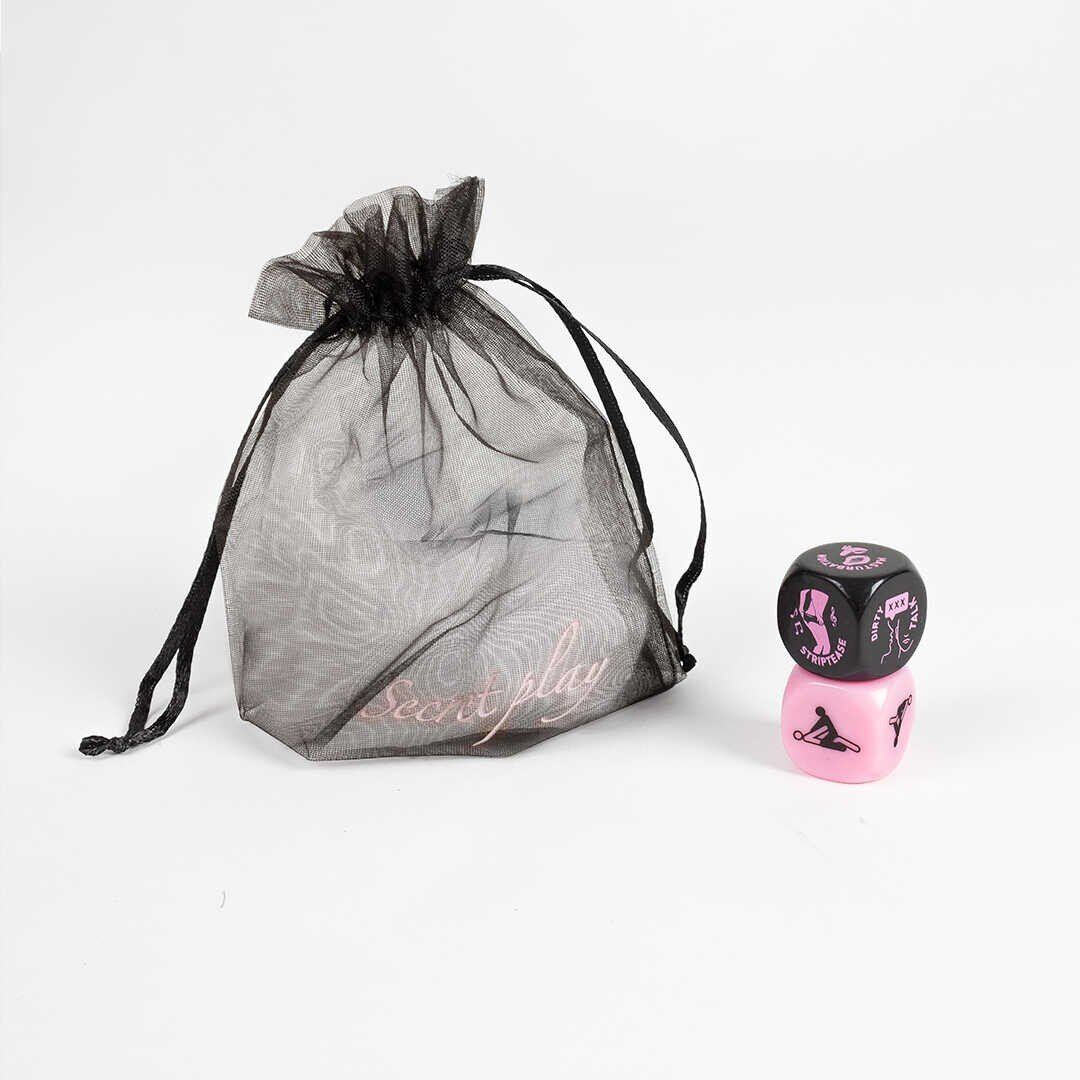
Secret Play Jeux de deux dés foreplay fanatics ! Dice lovers !Lancez les dés et laissez la curiosité guider vos gestes. C’est simple, ludique et terriblement excitant. Avec Jeux de deux dés foreplay fanatics ! Dice lovers ! de Secret Play, chaque lancer devient une promesse de découverte complice. Le plaisir se cache dans l’imprévisible, et ces petits cubes4,99 €*Shipping: 3,90 €Secure redirect to the provider
-
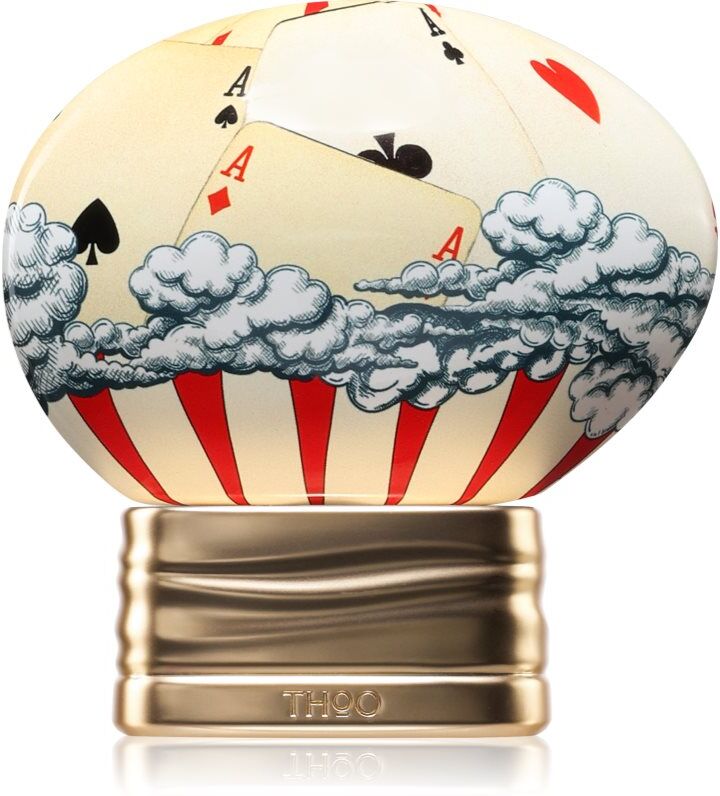
The House Of Oud Gambling Eau de Parfum mixte 75 mlThe House Of Oud Gambling, 75 ml, Eaux de Parfum mixte, Laissez-vous imprégner d’un parfum qui vous mettra de bonne humeur tout au long de la journée. L’eau de parfum mixte The House Of Oud Gambling reflète l’optimisme et le bonheur à l’état pur. parfum aromatique aux notes d’herbes parfum boisé pour les personnes au style peu conventionnel un parfum unique qui se prête aux occasions spéciales parfum mixte134,90 €*Shipping: 3,45 €Secure redirect to the provider
-
How does a Peltier element work?
A Peltier element works based on the principle of the Peltier effect, which is the phenomenon of heat absorption or release at a junction between two different conductors when an electric current flows through it. When a current passes through the Peltier element, one side of the element absorbs heat while the other side releases heat. This allows for the element to act as a heat pump, transferring heat from one side to the other. Peltier elements are commonly used in applications such as cooling systems and temperature control devices. **
-
Would my Peltier element cooling work?
The effectiveness of a Peltier element cooling system depends on several factors such as the size and power of the Peltier element, the heat load that needs to be removed, and the thermal insulation of the system. It's important to ensure that the Peltier element is appropriately sized and powered to handle the heat load, and that the system is well-insulated to prevent heat leakage. Additionally, the ambient temperature and airflow around the Peltier element can also impact its performance. It's recommended to carefully consider these factors and potentially consult with a thermal engineering expert to determine if a Peltier element cooling system would work for your specific application. **
-
Is a Peltier cooling box counterproductive?
A Peltier cooling box can be counterproductive in certain situations. While it can effectively cool the contents inside the box, it also generates heat on the outside, which can lead to an overall increase in temperature in the surrounding environment. This can be counterproductive if the goal is to maintain a consistently cool temperature in the area where the box is located. Additionally, Peltier cooling boxes can be less efficient than traditional compressor-based cooling systems, leading to higher energy consumption and potentially higher costs. However, in certain applications where precise temperature control is not critical, a Peltier cooling box can still be a useful and convenient cooling solution. **
-
How to control a Peltier element?
A Peltier element can be controlled by adjusting the current flowing through it. By varying the amount of current, the temperature difference created by the Peltier effect can be controlled. This can be achieved using a simple electronic circuit with a power supply and a variable resistor to adjust the current. Additionally, a temperature sensor and a feedback control system can be used to maintain a specific temperature by adjusting the current flowing through the Peltier element. It is important to note that the polarity of the current also affects the direction of heat transfer, so the direction of current flow should be considered when controlling the Peltier element. **
Similar search terms for Peltier
-
How does one operate a Peltier element?
A Peltier element is operated by applying a direct current (DC) voltage to the element. When a current flows through the element, one side of the element becomes hot while the other side becomes cold. By reversing the direction of the current, the hot and cold sides of the element can be switched. This allows the Peltier element to be used for cooling or heating applications depending on the direction of the current flow. **
-
How does the Peltier control system work?
The Peltier control system works by utilizing the Peltier effect, which is the phenomenon where a temperature difference is created between two electrical junctions when an electric current is passed through them. In the control system, this effect is used to either heat or cool a specific area by controlling the direction of the electric current. By adjusting the current flow, the system can regulate the temperature of the area being controlled. This allows for precise temperature control in applications such as refrigeration, heating, and thermal cycling. **
-
Why is the Peltier element not cold?
The Peltier element is not cold because it is a solid-state device that operates based on the Peltier effect, which involves the transfer of heat from one side of the element to the other when an electric current passes through it. This means that one side of the element will become cold while the other side will become hot, depending on the direction of the current. Therefore, the Peltier element itself is not inherently cold, but rather it can be used to create a temperature differential by transferring heat. **
-
How long does a Peltier element last?
The lifespan of a Peltier element can vary depending on factors such as quality, usage, and operating conditions. On average, a well-maintained Peltier element can last anywhere from 50,000 to 200,000 hours of operation. Regular maintenance, proper cooling, and avoiding excessive temperature cycling can help prolong the lifespan of a Peltier element. **
* All prices are inclusive of VAT and, if applicable, plus shipping costs. The offer information is based on the details provided by the respective shop and is updated through automated processes. Real-time updates do not occur, so deviations can occur in individual cases. ** Note: Parts of this content were created by AI.