Buy diceslot.be ?
We are moving the project
diceslot.be .
Are you interested in purchasing the domain
diceslot.be ?
domain@kv-gmbh.de · 0541-91531010
Buy diceslot.be ?
Is rainwater clean?
Rainwater is generally considered clean as it falls from the sky, but it can pick up pollutants and contaminants as it travels through the atmosphere and lands on surfaces like rooftops. It can pick up pollutants such as dust, dirt, bird droppings, and chemicals from air pollution. Therefore, it is recommended to treat or filter rainwater before consumption to ensure it is safe for drinking or other uses. **
What is rainwater?
Rainwater is water that falls from the atmosphere as a result of condensation of water vapor. It is a natural source of freshwater and is essential for the survival of plants, animals, and humans. Rainwater is typically clean and free of pollutants, making it a valuable resource for drinking, irrigation, and other uses. It plays a crucial role in the water cycle, replenishing rivers, lakes, and groundwater supplies. **


Similar search terms for Rainwater
Top-Angebote
Products related to Rainwater:
-
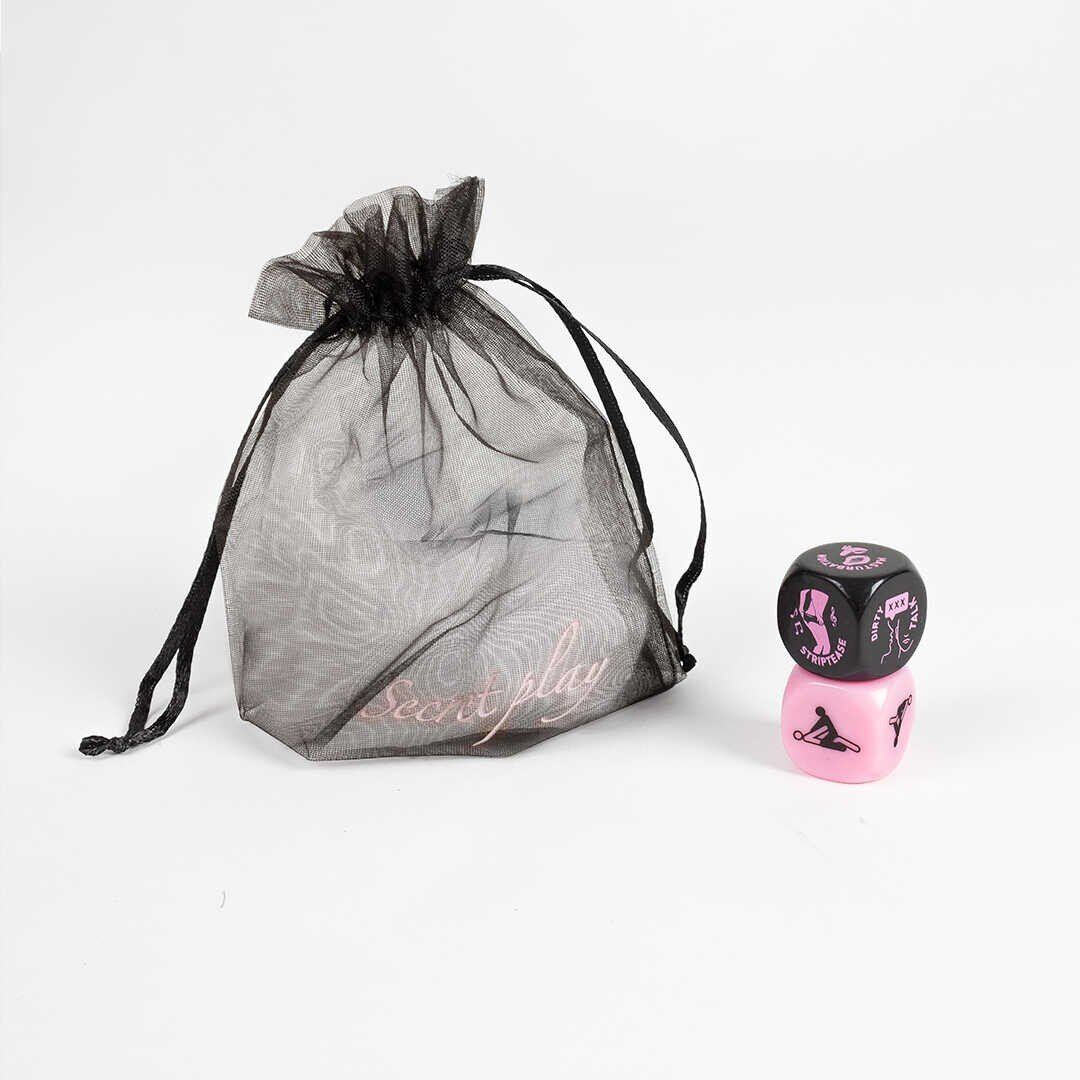
Secret Play Jeux de deux dés foreplay fanatics ! Dice lovers !Lancez les dés et laissez la curiosité guider vos gestes. C’est simple, ludique et terriblement excitant. Avec Jeux de deux dés foreplay fanatics ! Dice lovers ! de Secret Play, chaque lancer devient une promesse de découverte complice. Le plaisir se cache dans l’imprévisible, et ces petits cubes4,99 €*Shipping: 3,90 €Secure redirect to the provider
-
Can one drink rainwater?
Yes, it is generally safe to drink rainwater that has been collected and stored properly. However, it is important to ensure that the rainwater is collected in a clean container and filtered or treated before consumption to remove any potential contaminants. Additionally, it is recommended to use rainwater for non-potable purposes such as watering plants or washing clothes, rather than for drinking, to minimize any health risks. **
-
Who owns the rainwater?
In many places, rainwater is considered a common resource and is owned by the public. However, in some areas, laws and regulations may dictate that landowners have certain rights and responsibilities regarding rainwater that falls on their property. These laws can vary widely depending on the location and may include rules about collecting, using, or managing rainwater. It's important to research and understand the specific regulations in your area to determine who owns the rainwater. **
-
What about contaminated rainwater?
Contaminated rainwater occurs when pollutants from the atmosphere are carried down to the ground by rain. This can happen when pollutants such as chemicals, heavy metals, or microorganisms are present in the air and then deposited onto surfaces during rainfall. Contaminated rainwater can pose a risk to human health and the environment if it is ingested or comes into contact with skin. It is important to be aware of potential sources of contamination and take steps to minimize exposure to contaminated rainwater. **
-
Why is rainwater acidic?
Rainwater becomes acidic due to the presence of carbon dioxide in the atmosphere. When carbon dioxide dissolves in rainwater, it forms carbonic acid, lowering the pH of the rainwater. Additionally, pollutants such as sulfur dioxide and nitrogen oxides can also mix with rainwater, further lowering its pH and making it more acidic. This acidic rainwater can have harmful effects on the environment, including damaging plants, aquatic life, and infrastructure. **
Is river water rainwater?
No, river water is not rainwater. River water is the accumulation of rainwater, as well as water from other sources such as melting snow, groundwater, and runoff from the surrounding land. Rainwater refers specifically to the water that falls from the atmosphere as precipitation. Once rainwater reaches the ground, it can flow into rivers and become part of the river water system. **
Where can I find rainwater?
Rainwater can be found in various natural sources such as lakes, rivers, and streams. It can also be collected from rooftops using rain barrels or other water collection systems. Additionally, rainwater can be found in underground aquifers and wells, where it has percolated through the soil and rock layers. Overall, rainwater is a valuable resource that can be found in both natural and man-made sources. **
Top-Angebote
Products related to Rainwater:
-
The House Of Oud Gambling Eau de Parfum mixte 75 mlThe House Of Oud Gambling, 75 ml, Eaux de Parfum mixte, Laissez-vous imprégner d’un parfum qui vous mettra de bonne humeur tout au long de la journée. L’eau de parfum mixte The House Of Oud Gambling reflète l’optimisme et le bonheur à l’état pur. parfum aromatique aux notes d’herbes parfum boisé pour les personnes au style peu conventionnel un parfum unique qui se prête aux occasions spéciales parfum mixte134,90 €*Shipping: 3,45 €Secure redirect to the provider
-
Bijoux Indiscrets Jeu de dés sensuel lucky love diceLancez les dés et laissez le hasard guider vos envies. Simple, ludique, excitant. Le Jeu de dés sensuel lucky love dice de Bijoux Indiscrets transforme chaque moment à deux en terrain d’exploration complice. Trois petits cubes, une infinité de combinaisons pour réveiller la curiosité et la7,95 €*Shipping: 3,90 €Secure redirect to the provider
-
Secret Play Jeux de deux dés foreplay fanatics ! Dice lovers !Lancez les dés et laissez la curiosité guider vos gestes. C’est simple, ludique et terriblement excitant. Avec Jeux de deux dés foreplay fanatics ! Dice lovers ! de Secret Play, chaque lancer devient une promesse de découverte complice. Le plaisir se cache dans l’imprévisible, et ces petits cubes4,99 €*Shipping: 3,90 €Secure redirect to the provider
-
Is rainwater clean?
Rainwater is generally considered clean as it falls from the sky, but it can pick up pollutants and contaminants as it travels through the atmosphere and lands on surfaces like rooftops. It can pick up pollutants such as dust, dirt, bird droppings, and chemicals from air pollution. Therefore, it is recommended to treat or filter rainwater before consumption to ensure it is safe for drinking or other uses. **
-
What is rainwater?
Rainwater is water that falls from the atmosphere as a result of condensation of water vapor. It is a natural source of freshwater and is essential for the survival of plants, animals, and humans. Rainwater is typically clean and free of pollutants, making it a valuable resource for drinking, irrigation, and other uses. It plays a crucial role in the water cycle, replenishing rivers, lakes, and groundwater supplies. **
-
Can one drink rainwater?
Yes, it is generally safe to drink rainwater that has been collected and stored properly. However, it is important to ensure that the rainwater is collected in a clean container and filtered or treated before consumption to remove any potential contaminants. Additionally, it is recommended to use rainwater for non-potable purposes such as watering plants or washing clothes, rather than for drinking, to minimize any health risks. **
-
Who owns the rainwater?
In many places, rainwater is considered a common resource and is owned by the public. However, in some areas, laws and regulations may dictate that landowners have certain rights and responsibilities regarding rainwater that falls on their property. These laws can vary widely depending on the location and may include rules about collecting, using, or managing rainwater. It's important to research and understand the specific regulations in your area to determine who owns the rainwater. **
Similar search terms for Rainwater
-
What about contaminated rainwater?
Contaminated rainwater occurs when pollutants from the atmosphere are carried down to the ground by rain. This can happen when pollutants such as chemicals, heavy metals, or microorganisms are present in the air and then deposited onto surfaces during rainfall. Contaminated rainwater can pose a risk to human health and the environment if it is ingested or comes into contact with skin. It is important to be aware of potential sources of contamination and take steps to minimize exposure to contaminated rainwater. **
-
Why is rainwater acidic?
Rainwater becomes acidic due to the presence of carbon dioxide in the atmosphere. When carbon dioxide dissolves in rainwater, it forms carbonic acid, lowering the pH of the rainwater. Additionally, pollutants such as sulfur dioxide and nitrogen oxides can also mix with rainwater, further lowering its pH and making it more acidic. This acidic rainwater can have harmful effects on the environment, including damaging plants, aquatic life, and infrastructure. **
-
Is river water rainwater?
No, river water is not rainwater. River water is the accumulation of rainwater, as well as water from other sources such as melting snow, groundwater, and runoff from the surrounding land. Rainwater refers specifically to the water that falls from the atmosphere as precipitation. Once rainwater reaches the ground, it can flow into rivers and become part of the river water system. **
-
Where can I find rainwater?
Rainwater can be found in various natural sources such as lakes, rivers, and streams. It can also be collected from rooftops using rain barrels or other water collection systems. Additionally, rainwater can be found in underground aquifers and wells, where it has percolated through the soil and rock layers. Overall, rainwater is a valuable resource that can be found in both natural and man-made sources. **
* All prices are inclusive of VAT and, if applicable, plus shipping costs. The offer information is based on the details provided by the respective shop and is updated through automated processes. Real-time updates do not occur, so deviations can occur in individual cases. ** Note: Parts of this content were created by AI.