Buy diceslot.be ?
We are moving the project
diceslot.be .
Are you interested in purchasing the domain
diceslot.be ?
domain@kv-gmbh.de · 0541-91531010
Buy diceslot.be ?
What is cellular respiration?
Cellular respiration is the process by which cells break down glucose and other organic molecules to produce energy in the form of ATP (adenosine triphosphate). This process occurs in the mitochondria of cells and involves a series of biochemical reactions that ultimately convert the energy stored in glucose into a usable form for the cell. Cellular respiration is essential for the survival of all living organisms as it provides the energy needed for various cellular activities and functions. **
How does skin respiration work?
Skin respiration, also known as cutaneous respiration, is the process by which oxygen is absorbed and carbon dioxide is released through the skin. This process occurs in many animals, especially those with thin or moist skin, such as amphibians and some invertebrates. In skin respiration, gases diffuse across the skin's surface due to differences in partial pressures between the external environment and the internal tissues. Oxygen from the surrounding air or water diffuses into the skin and then into the bloodstream, where it can be transported to cells for cellular respiration. Carbon dioxide, a waste product of cellular respiration, diffuses out of the bloodstream and is released through the skin into the environment. Skin respiration is particularly important for animals that have a low metabolic rate or live in environments with low oxygen levels, as it provides an additional route for gas exchange. However, it is less efficient than respiratory systems such as lungs or gills, so it is typically used in conjunction with other forms of respiration. **


Similar search terms for Respiration
Top-Angebote
Products related to Respiration:
-
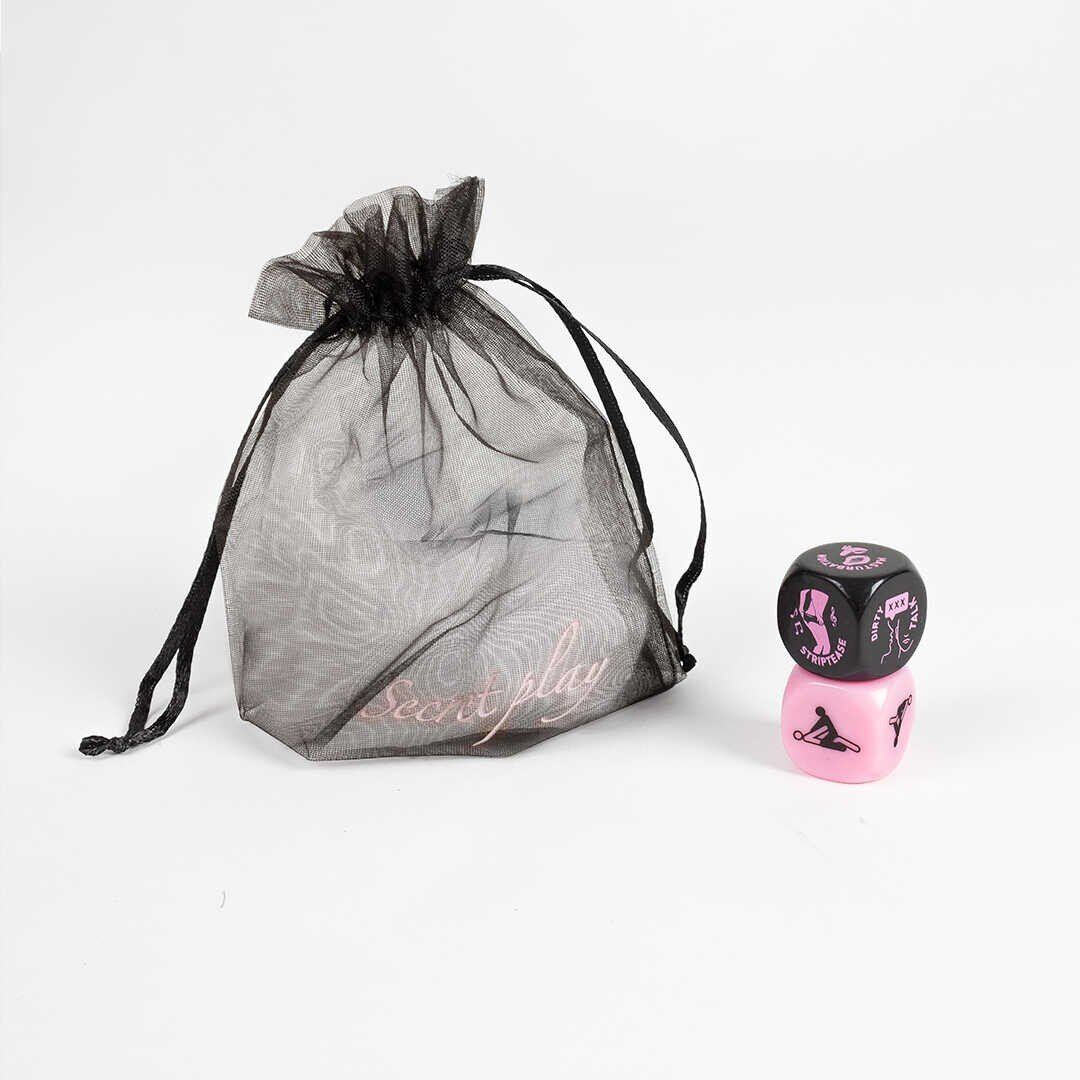
Secret Play Jeux de deux dés foreplay fanatics ! Dice lovers !Lancez les dés et laissez la curiosité guider vos gestes. C’est simple, ludique et terriblement excitant. Avec Jeux de deux dés foreplay fanatics ! Dice lovers ! de Secret Play, chaque lancer devient une promesse de découverte complice. Le plaisir se cache dans l’imprévisible, et ces petits cubes4,99 €*Shipping: 3,90 €Secure redirect to the provider
-
Paddywax Lucky Dice Misted Lime bougie parfumée en céramique 283 gPaddywax Lucky Dice Misted Lime, 283 g, Bougies parfumées Parfum d'ambiance, Une maison où règne un parfum agréable est un endroit où chacun se sent bien. Cette bougie parfumée Paddywax Lucky Dice Misted Lime allie la lumière chaleureuse de la flamme à un parfum envoûtant qui envahit peu à peu toute la pièce. Chaque fois que vous l’allumez, elle transforme les moments du quotidien en un rituel de bien-être et de détente. Le produit : le pot peut également faire office d’accessoire élégant une fois que la bougie est complètement consumée emballage design Constitue le cadeau idéal sa flamme diffuse une agréable lumière douce combustion pure crée une atmosphère harmonieuse procure une sensation de quiétude et de bien-être met en valeur le caractère chaleureux de l’intérieur diffuse un parfum agréable dans la pièce sublime les moments passés à la maison au quotidien Composition du produit : mèche de coton mèche sans plomb constitué à 100 % de cire de soja Mode d’emploi : Suivez les instructions du manuel joint. Laissez la bougie brûler jusqu’à ce que la couche supérieure soit entièrement fondue afin d’éviter la formation d’un creux dans la cire. Pour une combustion optimale, il est conseillé de couper régulièrement la mèche à la longueur recommandée.32,00 €*Shipping: 3,45 €Secure redirect to the provider
-
Paddywax Lucky Dice Tobacco Patchouli bougie parfumée en céramique 283 gPaddywax Lucky Dice Tobacco Patchouli, 283 g, Bougies parfumées Parfum d'ambiance, Ce sont ces petits détails qui créent une atmosphère des plus agréables. Cette bougie parfumée Paddywax Lucky Dice Tobacco Patchouli embaume la pièce d’un agréable parfum et transforme chaque instant en un moment de bien-être. Il suffit de l’allumer et de profiter d’un moment de calme. Le produit : parfum chaleureux le pot peut également faire office d’accessoire élégant une fois que la bougie est complètement consumée emballage design Constitue le cadeau idéal sa flamme diffuse une agréable lumière douce combustion pure crée une atmosphère harmonieuse procure une sensation de quiétude et de bien-être met en valeur le caractère chaleureux de l’intérieur diffuse un parfum agréable dans la pièce sublime les moments passés à la maison au quotidien Composition du produit : mèche de coton mèche sans plomb constitué à 100 % de cire de soja Mode d’emploi : Suivez les instructions du manuel joint. Laissez la bougie brûler jusqu’à ce que la couche supérieure soit entièrement fondue afin d’éviter la formation d’un creux dans la cire. Pour une combustion optimale, il est conseillé de couper régulièrement la mèche à la longueur recommandée.32,00 €*Shipping: 3,45 €Secure redirect to the provider



-
What is glycolytic cellular respiration?
Glycolytic cellular respiration is the process by which cells break down glucose to produce energy in the form of adenosine triphosphate (ATP). This process occurs in the cytoplasm of the cell and involves a series of enzymatic reactions that convert glucose into pyruvate. Glycolysis is the first stage of cellular respiration and is anaerobic, meaning it does not require oxygen. The ATP produced during glycolysis can be used by the cell for various energy-requiring processes. **
-
Do mushrooms undergo cellular respiration?
Yes, mushrooms do undergo cellular respiration. Just like other living organisms, mushrooms require energy to carry out their metabolic processes, and cellular respiration is the process by which they generate this energy. During cellular respiration, mushrooms break down organic molecules to produce ATP, the energy currency of the cell, which is used to fuel their growth, reproduction, and other biological functions. **
-
When does cellular respiration occur?
Cellular respiration occurs in the cells of living organisms constantly, as it is the process by which cells break down glucose and other organic molecules to produce energy in the form of ATP. This process is essential for the survival of cells and the organism as a whole, providing the energy needed for various cellular activities. Cellular respiration occurs in the presence of oxygen (aerobic respiration) or in the absence of oxygen (anaerobic respiration), depending on the availability of oxygen in the environment. **
-
What is compartmentalization in cellular respiration?
Compartmentalization in cellular respiration refers to the organization of different metabolic processes into specific compartments within the cell. In eukaryotic cells, cellular respiration occurs in different organelles such as the cytoplasm, mitochondria, and chloroplasts. Each organelle plays a specific role in the overall process of cellular respiration, with different compartments carrying out different steps of the metabolic pathway. This compartmentalization allows for efficient coordination of the various reactions involved in cellular respiration and helps to optimize energy production within the cell. **
How can cellular respiration be demonstrated?
Cellular respiration can be demonstrated through a simple experiment using a sprouting seed, such as a bean or pea. By placing the seed in a sealed container with a small amount of water and observing the production of carbon dioxide bubbles, one can see evidence of cellular respiration. Another way to demonstrate cellular respiration is by measuring the consumption of oxygen and production of carbon dioxide by using a respirometer apparatus with a small organism like a cricket or germinating seeds. This experiment shows the exchange of gases that occurs during cellular respiration. **
What is needed for cellular respiration?
Cellular respiration requires oxygen and glucose as the main inputs. Oxygen is used as the final electron acceptor in the electron transport chain, while glucose is broken down through glycolysis and the citric acid cycle to produce ATP, the energy currency of the cell. Additionally, cellular respiration also requires enzymes and other molecules to facilitate the various steps of the process. **
Top-Angebote
Products related to Respiration:
-
The House Of Oud Gambling Eau de Parfum mixte 75 mlThe House Of Oud Gambling, 75 ml, Eaux de Parfum mixte, Laissez-vous imprégner d’un parfum qui vous mettra de bonne humeur tout au long de la journée. L’eau de parfum mixte The House Of Oud Gambling reflète l’optimisme et le bonheur à l’état pur. parfum aromatique aux notes d’herbes parfum boisé pour les personnes au style peu conventionnel un parfum unique qui se prête aux occasions spéciales parfum mixte148,20 €*Shipping: 3,45 €Secure redirect to the provider
-
Bijoux Indiscrets Jeu de dés sensuel lucky love diceLancez les dés et laissez le hasard guider vos envies. Simple, ludique, excitant. Le Jeu de dés sensuel lucky love dice de Bijoux Indiscrets transforme chaque moment à deux en terrain d’exploration complice. Trois petits cubes, une infinité de combinaisons pour réveiller la curiosité et la7,95 €*Shipping: 3,90 €Secure redirect to the provider
-
Secret Play Jeux de deux dés foreplay fanatics ! Dice lovers !Lancez les dés et laissez la curiosité guider vos gestes. C’est simple, ludique et terriblement excitant. Avec Jeux de deux dés foreplay fanatics ! Dice lovers ! de Secret Play, chaque lancer devient une promesse de découverte complice. Le plaisir se cache dans l’imprévisible, et ces petits cubes4,99 €*Shipping: 3,90 €Secure redirect to the provider
-
What is cellular respiration?
Cellular respiration is the process by which cells break down glucose and other organic molecules to produce energy in the form of ATP (adenosine triphosphate). This process occurs in the mitochondria of cells and involves a series of biochemical reactions that ultimately convert the energy stored in glucose into a usable form for the cell. Cellular respiration is essential for the survival of all living organisms as it provides the energy needed for various cellular activities and functions. **
-
How does skin respiration work?
Skin respiration, also known as cutaneous respiration, is the process by which oxygen is absorbed and carbon dioxide is released through the skin. This process occurs in many animals, especially those with thin or moist skin, such as amphibians and some invertebrates. In skin respiration, gases diffuse across the skin's surface due to differences in partial pressures between the external environment and the internal tissues. Oxygen from the surrounding air or water diffuses into the skin and then into the bloodstream, where it can be transported to cells for cellular respiration. Carbon dioxide, a waste product of cellular respiration, diffuses out of the bloodstream and is released through the skin into the environment. Skin respiration is particularly important for animals that have a low metabolic rate or live in environments with low oxygen levels, as it provides an additional route for gas exchange. However, it is less efficient than respiratory systems such as lungs or gills, so it is typically used in conjunction with other forms of respiration. **
-
What is glycolytic cellular respiration?
Glycolytic cellular respiration is the process by which cells break down glucose to produce energy in the form of adenosine triphosphate (ATP). This process occurs in the cytoplasm of the cell and involves a series of enzymatic reactions that convert glucose into pyruvate. Glycolysis is the first stage of cellular respiration and is anaerobic, meaning it does not require oxygen. The ATP produced during glycolysis can be used by the cell for various energy-requiring processes. **
-
Do mushrooms undergo cellular respiration?
Yes, mushrooms do undergo cellular respiration. Just like other living organisms, mushrooms require energy to carry out their metabolic processes, and cellular respiration is the process by which they generate this energy. During cellular respiration, mushrooms break down organic molecules to produce ATP, the energy currency of the cell, which is used to fuel their growth, reproduction, and other biological functions. **
Similar search terms for Respiration
-
Paddywax Lucky Dice Misted Lime bougie parfumée en céramique 283 gPaddywax Lucky Dice Misted Lime, 283 g, Bougies parfumées Parfum d'ambiance, Une maison où règne un parfum agréable est un endroit où chacun se sent bien. Cette bougie parfumée Paddywax Lucky Dice Misted Lime allie la lumière chaleureuse de la flamme à un parfum envoûtant qui envahit peu à peu toute la pièce. Chaque fois que vous l’allumez, elle transforme les moments du quotidien en un rituel de bien-être et de détente. Le produit : le pot peut également faire office d’accessoire élégant une fois que la bougie est complètement consumée emballage design Constitue le cadeau idéal sa flamme diffuse une agréable lumière douce combustion pure crée une atmosphère harmonieuse procure une sensation de quiétude et de bien-être met en valeur le caractère chaleureux de l’intérieur diffuse un parfum agréable dans la pièce sublime les moments passés à la maison au quotidien Composition du produit : mèche de coton mèche sans plomb constitué à 100 % de cire de soja Mode d’emploi : Suivez les instructions du manuel joint. Laissez la bougie brûler jusqu’à ce que la couche supérieure soit entièrement fondue afin d’éviter la formation d’un creux dans la cire. Pour une combustion optimale, il est conseillé de couper régulièrement la mèche à la longueur recommandée.32,00 €*Shipping: 3,45 €Secure redirect to the provider
-
Paddywax Lucky Dice Tobacco Patchouli bougie parfumée en céramique 283 gPaddywax Lucky Dice Tobacco Patchouli, 283 g, Bougies parfumées Parfum d'ambiance, Ce sont ces petits détails qui créent une atmosphère des plus agréables. Cette bougie parfumée Paddywax Lucky Dice Tobacco Patchouli embaume la pièce d’un agréable parfum et transforme chaque instant en un moment de bien-être. Il suffit de l’allumer et de profiter d’un moment de calme. Le produit : parfum chaleureux le pot peut également faire office d’accessoire élégant une fois que la bougie est complètement consumée emballage design Constitue le cadeau idéal sa flamme diffuse une agréable lumière douce combustion pure crée une atmosphère harmonieuse procure une sensation de quiétude et de bien-être met en valeur le caractère chaleureux de l’intérieur diffuse un parfum agréable dans la pièce sublime les moments passés à la maison au quotidien Composition du produit : mèche de coton mèche sans plomb constitué à 100 % de cire de soja Mode d’emploi : Suivez les instructions du manuel joint. Laissez la bougie brûler jusqu’à ce que la couche supérieure soit entièrement fondue afin d’éviter la formation d’un creux dans la cire. Pour une combustion optimale, il est conseillé de couper régulièrement la mèche à la longueur recommandée.32,00 €*Shipping: 3,45 €Secure redirect to the provider
-
When does cellular respiration occur?
Cellular respiration occurs in the cells of living organisms constantly, as it is the process by which cells break down glucose and other organic molecules to produce energy in the form of ATP. This process is essential for the survival of cells and the organism as a whole, providing the energy needed for various cellular activities. Cellular respiration occurs in the presence of oxygen (aerobic respiration) or in the absence of oxygen (anaerobic respiration), depending on the availability of oxygen in the environment. **
-
What is compartmentalization in cellular respiration?
Compartmentalization in cellular respiration refers to the organization of different metabolic processes into specific compartments within the cell. In eukaryotic cells, cellular respiration occurs in different organelles such as the cytoplasm, mitochondria, and chloroplasts. Each organelle plays a specific role in the overall process of cellular respiration, with different compartments carrying out different steps of the metabolic pathway. This compartmentalization allows for efficient coordination of the various reactions involved in cellular respiration and helps to optimize energy production within the cell. **
-
How can cellular respiration be demonstrated?
Cellular respiration can be demonstrated through a simple experiment using a sprouting seed, such as a bean or pea. By placing the seed in a sealed container with a small amount of water and observing the production of carbon dioxide bubbles, one can see evidence of cellular respiration. Another way to demonstrate cellular respiration is by measuring the consumption of oxygen and production of carbon dioxide by using a respirometer apparatus with a small organism like a cricket or germinating seeds. This experiment shows the exchange of gases that occurs during cellular respiration. **
-
What is needed for cellular respiration?
Cellular respiration requires oxygen and glucose as the main inputs. Oxygen is used as the final electron acceptor in the electron transport chain, while glucose is broken down through glycolysis and the citric acid cycle to produce ATP, the energy currency of the cell. Additionally, cellular respiration also requires enzymes and other molecules to facilitate the various steps of the process. **
* All prices are inclusive of VAT and, if applicable, plus shipping costs. The offer information is based on the details provided by the respective shop and is updated through automated processes. Real-time updates do not occur, so deviations can occur in individual cases. ** Note: Parts of this content were created by AI.