Buy diceslot.be ?
We are moving the project
diceslot.be .
Are you interested in purchasing the domain
diceslot.be ?
domain@kv-gmbh.de · 0541-91531010
Buy diceslot.be ?
What is a temporal clause?
A temporal clause is a type of subordinate clause that provides information about when an action takes place in relation to the main clause. It usually includes a time-related word or phrase, such as "when," "while," "after," "before," or "since." Temporal clauses help to clarify the timing of events in a sentence and are commonly used in complex sentences to show the sequence of actions. **
What is the temporal context?
The temporal context refers to the time period or timeframe in which an event, situation, or piece of information occurs or is relevant. It helps to provide a framework for understanding the sequence of events and the historical or current significance of a particular topic. Understanding the temporal context is important for interpreting and analyzing information accurately within its historical or current timeframe. **
Similar search terms for Temporal
Top-Angebote
Products related to Temporal:
-
The House Of Oud Gambling Eau de Parfum mixte 75 mlThe House Of Oud Gambling, 75 ml, Eaux de Parfum mixte, Laissez-vous imprégner d’un parfum qui vous mettra de bonne humeur tout au long de la journée. L’eau de parfum mixte The House Of Oud Gambling reflète l’optimisme et le bonheur à l’état pur. parfum aromatique aux notes d’herbes parfum boisé pour les personnes au style peu conventionnel un parfum unique qui se prête aux occasions spéciales parfum mixte148,20 €*Shipping: 3,45 €Secure redirect to the provider

-
What does the term "temporal error" mean?
Temporal error refers to a mistake or discrepancy that occurs in relation to time. It can occur when there is a mismatch between the timing of events or actions, leading to inaccuracies or inconsistencies in the temporal sequence. In computing, temporal errors can occur when there are issues with the timing or synchronization of processes, resulting in incorrect outcomes or behaviors. Identifying and addressing temporal errors is important to ensure the accuracy and reliability of systems and processes. **
-
How are temporal clauses formed in Latin?
Temporal clauses in Latin are formed using subordinating conjunctions such as "cum" (when), "postquam" (after), "dum" (while), and "antequam" (before). These conjunctions are followed by a verb in the subjunctive mood to indicate that the action of the temporal clause is dependent on the action of the main clause. For example, "cum veniat" means "when he/she comes" and "postquam viderit" means "after he/she sees." These temporal clauses are used to express the time relationship between two actions or events. **
-
Is there actually a temporal version of homesickness?
Yes, there is a temporal version of homesickness known as "time-sickness." Time-sickness is the feeling of longing for a specific time period in the past, such as childhood or a significant moment in one's life. It can be triggered by nostalgia or a desire to relive happy memories from the past. Time-sickness can lead to feelings of sadness, yearning, and a sense of disconnection from the present moment. **
-
How do you form temporal clauses in French?
Temporal clauses in French are formed using subordinating conjunctions such as "quand" (when), "pendant que" (while), "dès que" (as soon as), "avant que" (before), "après que" (after), etc. These subordinating conjunctions are followed by a subject and a verb in the subjunctive mood if the action in the temporal clause has not yet occurred, or in the indicative mood if the action has already taken place. Temporal clauses are used to indicate the timing or sequence of events in relation to the main clause. **
Can there be simultaneous spatial and temporal summation?
Yes, simultaneous spatial and temporal summation can occur. Spatial summation refers to the combination of signals from different locations on a neuron's dendrites, while temporal summation involves the combination of signals arriving at different times. Both types of summation can occur simultaneously, with multiple signals from different locations and at different times converging to trigger an action potential in a neuron. This allows for the integration of spatially and temporally distributed inputs to generate a coordinated response. **
What is the correct temporal preposition: in or after?
The correct temporal preposition depends on the context of the sentence. "In" is used to indicate a specific point in time or a period within which an event occurs, while "after" is used to indicate that an event occurs following another event. For example, "I will meet you in 30 minutes" indicates a specific time frame, while "I will meet you after lunch" indicates that the meeting will occur following the meal. **
Top-Angebote
Products related to Temporal:
-
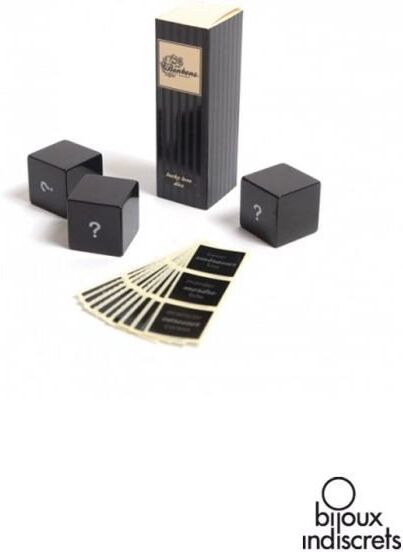
Bijoux Indiscrets Jeu de dés sensuel lucky love diceLancez les dés et laissez le hasard guider vos envies. Simple, ludique, excitant. Le Jeu de dés sensuel lucky love dice de Bijoux Indiscrets transforme chaque moment à deux en terrain d’exploration complice. Trois petits cubes, une infinité de combinaisons pour réveiller la curiosité et la7,95 €*Shipping: 3,90 €Secure redirect to the provider
-
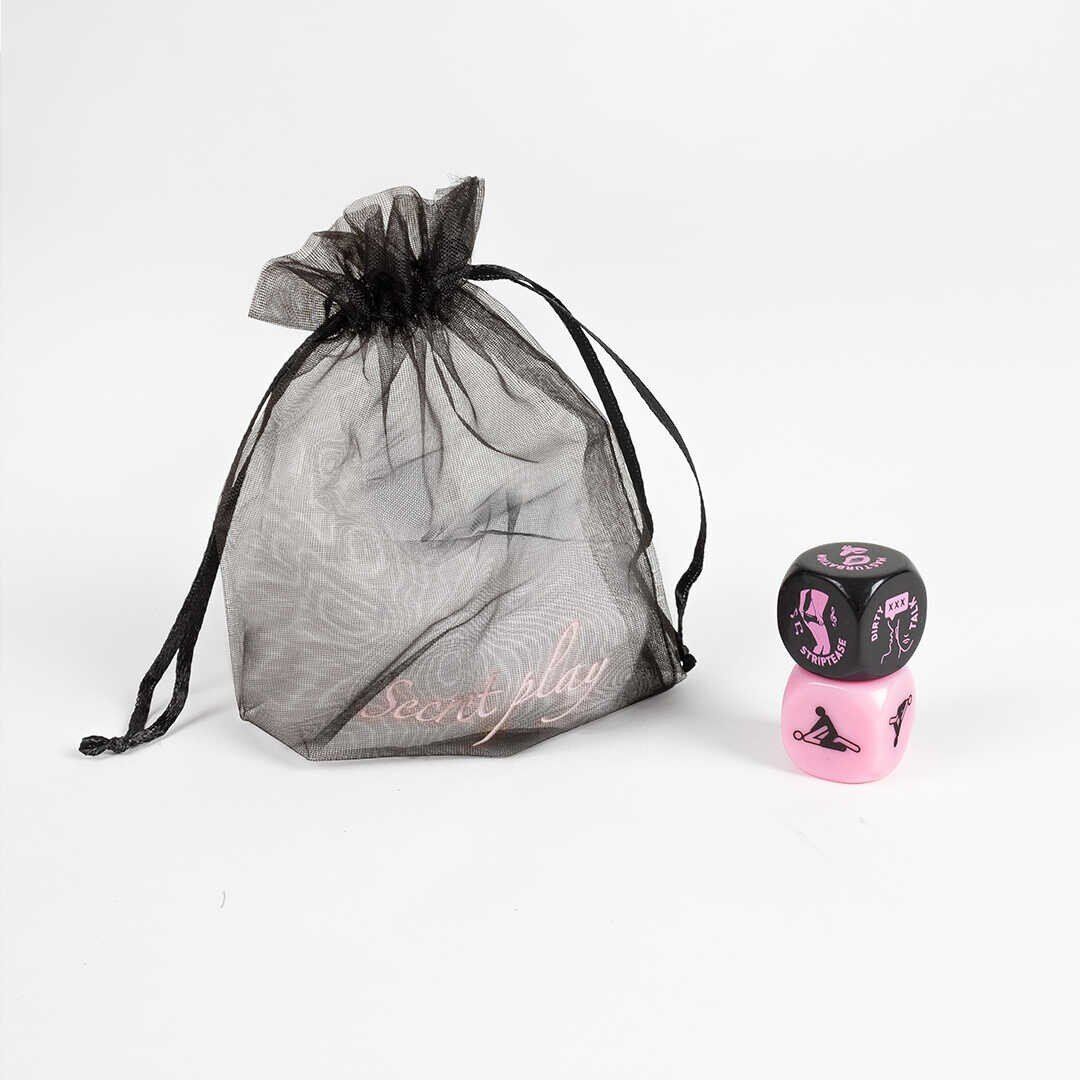
Secret Play Jeux de deux dés foreplay fanatics ! Dice lovers !Lancez les dés et laissez la curiosité guider vos gestes. C’est simple, ludique et terriblement excitant. Avec Jeux de deux dés foreplay fanatics ! Dice lovers ! de Secret Play, chaque lancer devient une promesse de découverte complice. Le plaisir se cache dans l’imprévisible, et ces petits cubes4,99 €*Shipping: 3,90 €Secure redirect to the provider
-
The House Of Oud Gambling Eau de Parfum mixte 75 mlThe House Of Oud Gambling, 75 ml, Eaux de Parfum mixte, Laissez-vous imprégner d’un parfum qui vous mettra de bonne humeur tout au long de la journée. L’eau de parfum mixte The House Of Oud Gambling reflète l’optimisme et le bonheur à l’état pur. parfum aromatique aux notes d’herbes parfum boisé pour les personnes au style peu conventionnel un parfum unique qui se prête aux occasions spéciales parfum mixte148,20 €*Shipping: 3,45 €Secure redirect to the provider
-
What is a temporal clause?
A temporal clause is a type of subordinate clause that provides information about when an action takes place in relation to the main clause. It usually includes a time-related word or phrase, such as "when," "while," "after," "before," or "since." Temporal clauses help to clarify the timing of events in a sentence and are commonly used in complex sentences to show the sequence of actions. **
-
What is the temporal context?
The temporal context refers to the time period or timeframe in which an event, situation, or piece of information occurs or is relevant. It helps to provide a framework for understanding the sequence of events and the historical or current significance of a particular topic. Understanding the temporal context is important for interpreting and analyzing information accurately within its historical or current timeframe. **
-
What does the term "temporal error" mean?
Temporal error refers to a mistake or discrepancy that occurs in relation to time. It can occur when there is a mismatch between the timing of events or actions, leading to inaccuracies or inconsistencies in the temporal sequence. In computing, temporal errors can occur when there are issues with the timing or synchronization of processes, resulting in incorrect outcomes or behaviors. Identifying and addressing temporal errors is important to ensure the accuracy and reliability of systems and processes. **
-
How are temporal clauses formed in Latin?
Temporal clauses in Latin are formed using subordinating conjunctions such as "cum" (when), "postquam" (after), "dum" (while), and "antequam" (before). These conjunctions are followed by a verb in the subjunctive mood to indicate that the action of the temporal clause is dependent on the action of the main clause. For example, "cum veniat" means "when he/she comes" and "postquam viderit" means "after he/she sees." These temporal clauses are used to express the time relationship between two actions or events. **
Similar search terms for Temporal
-
Is there actually a temporal version of homesickness?
Yes, there is a temporal version of homesickness known as "time-sickness." Time-sickness is the feeling of longing for a specific time period in the past, such as childhood or a significant moment in one's life. It can be triggered by nostalgia or a desire to relive happy memories from the past. Time-sickness can lead to feelings of sadness, yearning, and a sense of disconnection from the present moment. **
-
How do you form temporal clauses in French?
Temporal clauses in French are formed using subordinating conjunctions such as "quand" (when), "pendant que" (while), "dès que" (as soon as), "avant que" (before), "après que" (after), etc. These subordinating conjunctions are followed by a subject and a verb in the subjunctive mood if the action in the temporal clause has not yet occurred, or in the indicative mood if the action has already taken place. Temporal clauses are used to indicate the timing or sequence of events in relation to the main clause. **
-
Can there be simultaneous spatial and temporal summation?
Yes, simultaneous spatial and temporal summation can occur. Spatial summation refers to the combination of signals from different locations on a neuron's dendrites, while temporal summation involves the combination of signals arriving at different times. Both types of summation can occur simultaneously, with multiple signals from different locations and at different times converging to trigger an action potential in a neuron. This allows for the integration of spatially and temporally distributed inputs to generate a coordinated response. **
-
What is the correct temporal preposition: in or after?
The correct temporal preposition depends on the context of the sentence. "In" is used to indicate a specific point in time or a period within which an event occurs, while "after" is used to indicate that an event occurs following another event. For example, "I will meet you in 30 minutes" indicates a specific time frame, while "I will meet you after lunch" indicates that the meeting will occur following the meal. **
* All prices are inclusive of VAT and, if applicable, plus shipping costs. The offer information is based on the details provided by the respective shop and is updated through automated processes. Real-time updates do not occur, so deviations can occur in individual cases. ** Note: Parts of this content were created by AI.