Buy diceslot.be ?
We are moving the project
diceslot.be .
Are you interested in purchasing the domain
diceslot.be ?
domain@kv-gmbh.de · 0541-91531010
Buy diceslot.be ?
What does the normal vector say in vector representation?
The normal vector in vector representation represents the direction perpendicular to the surface of the object or plane. It is a vector that is orthogonal to the surface and points outward from the surface. The normal vector is used in various mathematical and physical applications, such as in calculating the direction of force or in determining the orientation of a surface. **
Is the support vector a position vector and why?
No, the support vector is not a position vector. In machine learning, a support vector is a data point that lies closest to the decision boundary separating different classes in a classification problem. It is used to define the optimal hyperplane that maximizes the margin between classes. Therefore, a support vector is not a position vector in a geometric sense, but rather a key component in determining the decision boundary in a support vector machine algorithm. **

Similar search terms for Vector
Top-Angebote
Products related to Vector:
-
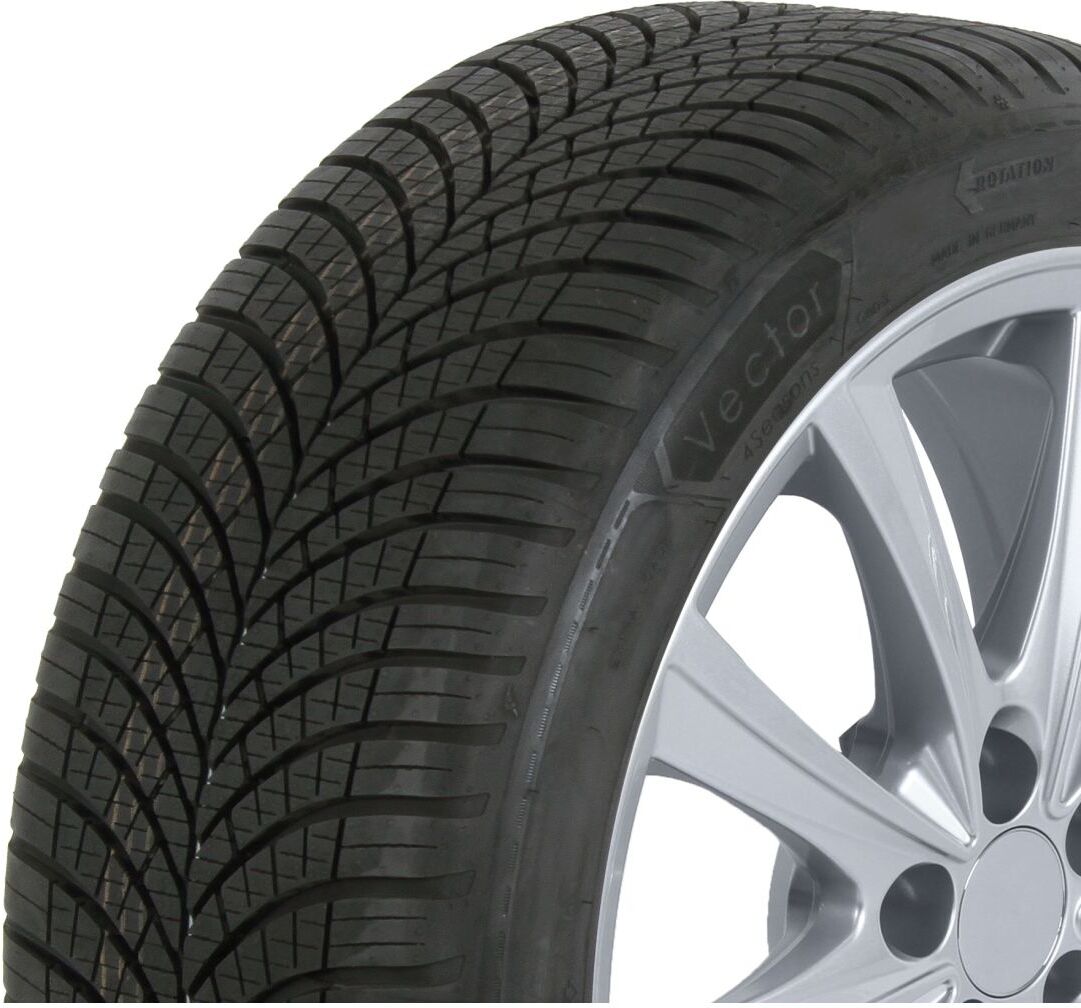
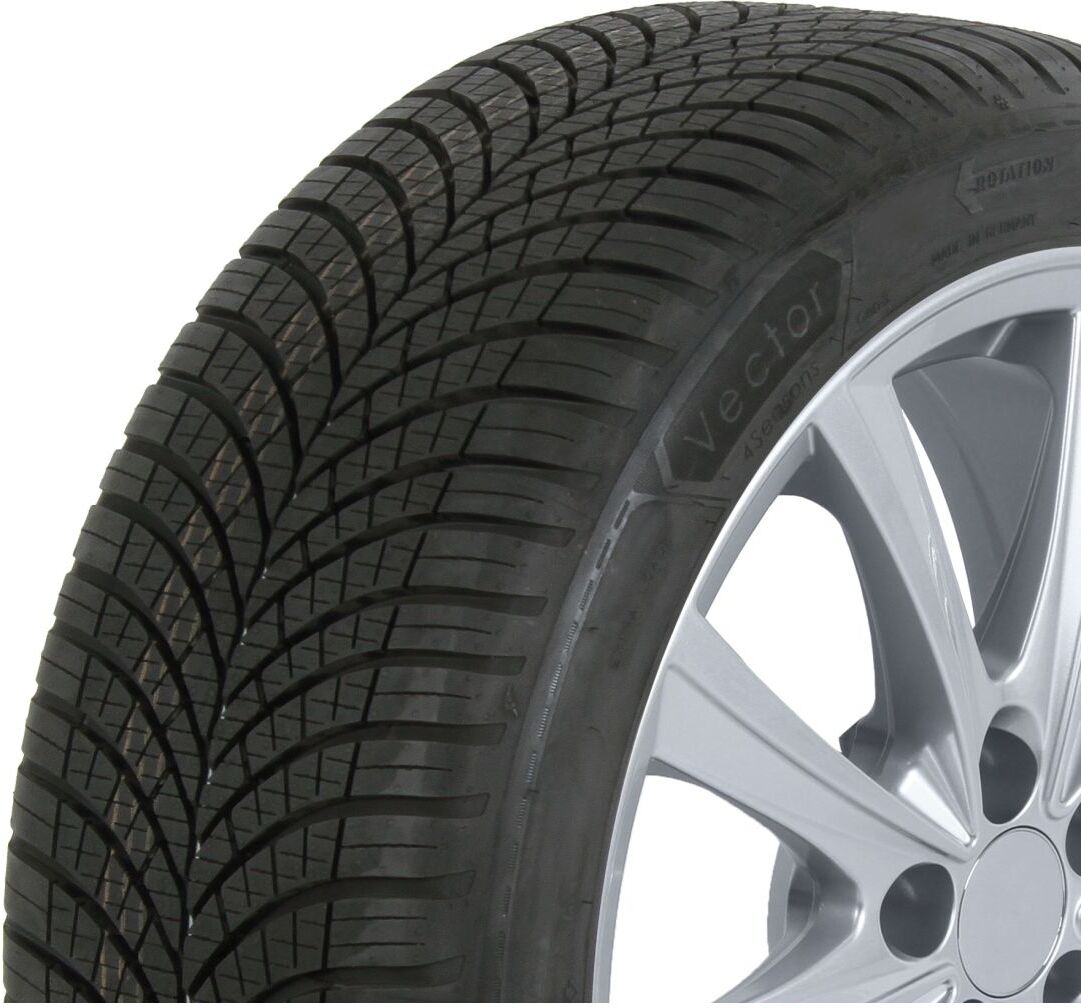
Pneus toutes saisons GOODYEAR Vector 4Seasons G3 225/40R19 XL 93WCapacité de charge: XL. Carte d'information sur les pneus: https://eprel.ec.europa.eu/qr/1287415. Chambre à air: TL. Classe de pneus: Prime. Diamètre (en pouces): 19". Désignation de M+S: 3PMSF; M+S. Fabricant: GOODYEAR. Hauteur pneumatique: 40. Index: 225/40R19 CTGO 93W V4SG3. Indice de charge pneu: 93 = 650 kg. Indice de vitesse pneu: W - 270 km/h. Largeur du pneumatique: 225. Nombre d'unités: 1. Numéro du fabricant: 225/40R19 CTGO 93W V4SG3. Profil de pneumatique: Vector 4Seasons G3. Rebord protecteur de jante: FP. Saison: 4 Saisons. Taille: 225/40R19. Type: Radial. Type de pneu: 4x4 / SUV.234,36 €*Shipping: 9,99 €Secure redirect to the provider
-
Pneus toutes saisons GOODYEAR Vector 4Seasons G3 195/65R15 XL 95TCapacité de charge: XL. Carte d'information sur les pneus: https://eprel.ec.europa.eu/qr/1399757. Chambre à air: TL. Classe de pneus: Prime. Diamètre (en pouces): 15". Désignation de M+S: 3PMSF; M+S. Fabricant: GOODYEAR. Hauteur pneumatique: 65. Index: 195/65R15 COGO 95T V4SG3. Indice de charge pneu: 95 = 690 kg. Indice de vitesse pneu: T - 190 km/h. Largeur du pneumatique: 195. Nombre d'unités: 1. Numéro du fabricant: 195/65R15 COGO 95T V4SG3. Profil de pneumatique: Vector 4Seasons G3. Saison: 4 Saisons. Taille: 195/65R15. Type: Radial. Type de pneu: Voiture.101,56 €*Shipping: 9,99 €Secure redirect to the provider
-
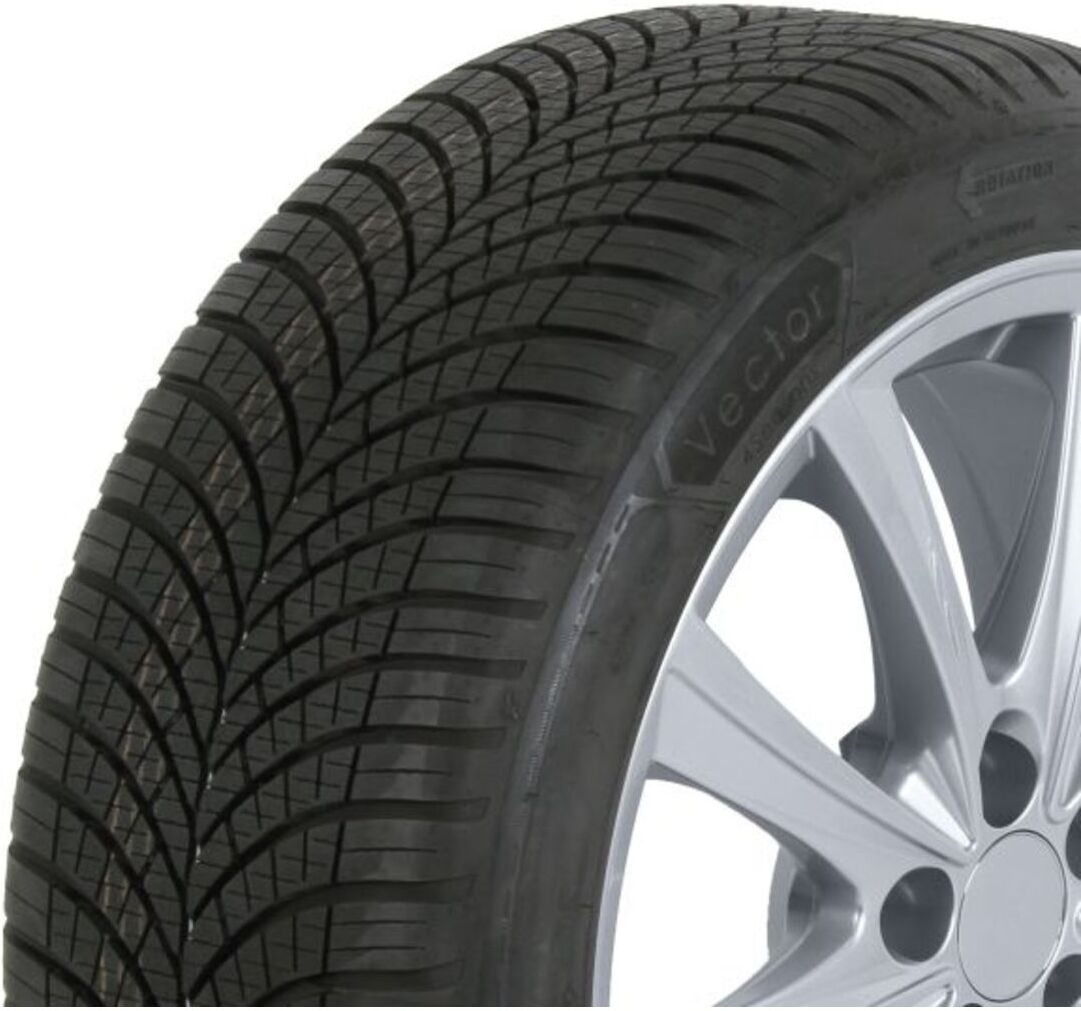
Pneus toutes saisons GOODYEAR Vector 4Seasons G3 205/55R16 XL 94VCapacité de charge: XL. Carte d'information sur les pneus: https://eprel.ec.europa.eu/qr/1322753. Chambre à air: TL. Classe de pneus: Prime. Diamètre (en pouces): 16". Désignation de M+S: 3PMSF; M+S. Fabricant: GOODYEAR. Hauteur pneumatique: 55. Index: 205/55R16 COGO 94V VE4SG3. Indice de charge pneu: 94 = 670 kg. Indice de vitesse pneu: V - 240 km/h. Largeur du pneumatique: 205. Nombre d'unités: 1. Numéro du fabricant: 205/55R16 COGO 94V VE4SG3. Profil de pneumatique: Vector 4Seasons G3. Saison: 4 Saisons. Taille: 205/55R16. Type: Radial. Type de pneu: Voiture.124,05 €*Shipping: 9,99 €Secure redirect to the provider
-
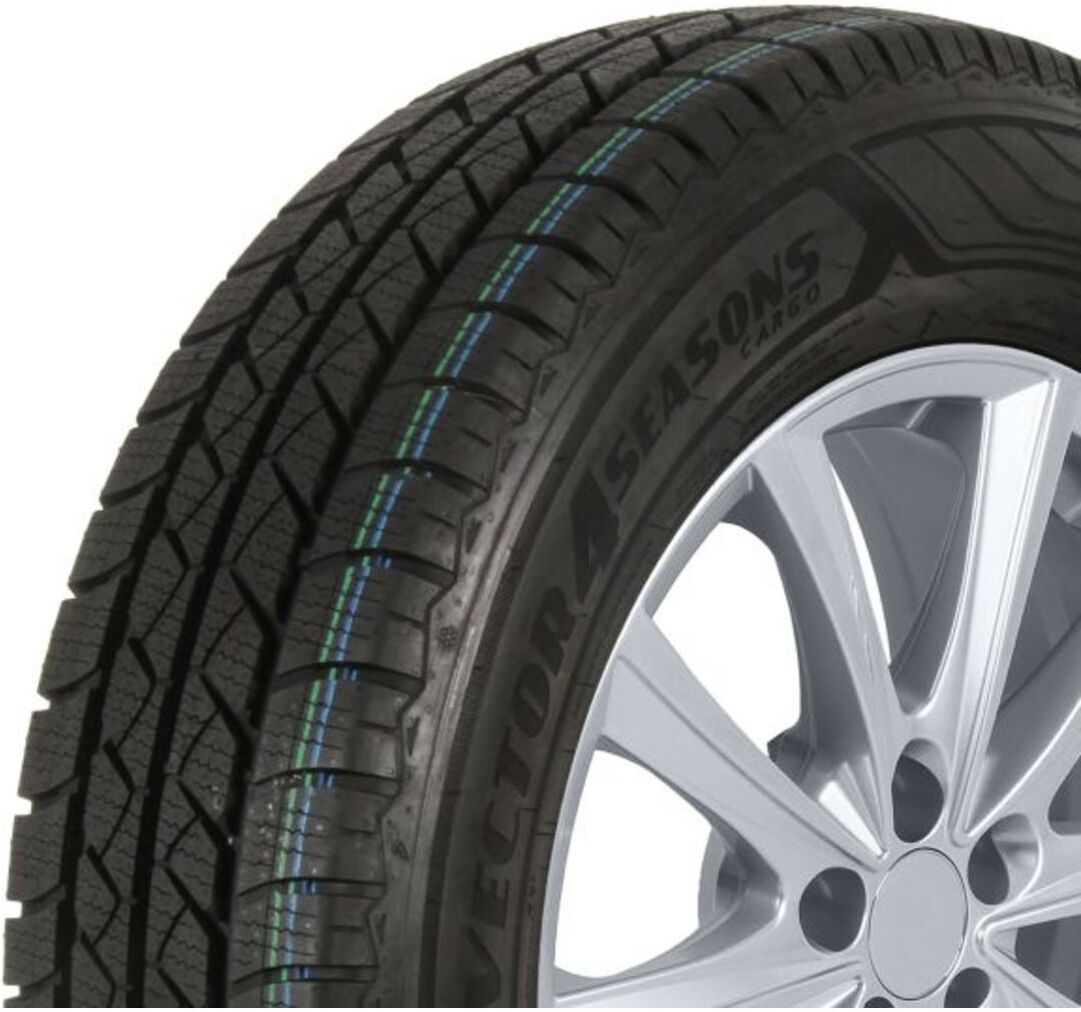
Pneus toutes saisons GOODYEAR Vector 4Seasons Cargo 215/60R17 C 109/107TCapacité de charge: C. Carte d'information sur les pneus: https://eprel.ec.europa.eu/qr/1312703. Chambre à air: TL. Classe de pneus: Prime. Diamètre (en pouces): 17". Désignation de M+S: 3PMSF; M+S. Fabricant: GOODYEAR. Hauteur pneumatique: 60. Index: 215/60R17 CDGO 109T V4SC. Indice de charge pneu: 109/107 = 1030/975 kg. Indice de vitesse pneu: T - 190 km/h. Largeur du pneumatique: 215. Nombre d'unités: 1. Numéro du fabricant: 215/60R17 CDGO 109T V4SC. Profil de pneumatique: Vector 4Seasons Cargo. Saison: 4 Saisons. Taille: 215/60R17. Type: Radial. Type de pneu: Camionnette.255,47 €*Shipping: 9,99 €Secure redirect to the provider


-
Scalar or vector?
Scalar or vector? Scalars are quantities that have only magnitude, such as mass or temperature. Vectors are quantities that have both magnitude and direction, such as velocity or force. **
-
What is the difference between vector AB and vector BA?
The difference between vector AB and vector BA lies in their direction. Vector AB represents the displacement from point A to point B, while vector BA represents the displacement from point B to point A. Despite having the same magnitude, these vectors have opposite directions, making them distinct entities in terms of orientation. **
-
Why can't vector b be a multiple of vector a?
Vector b cannot be a multiple of vector a because for two vectors to be multiples of each other, they must be parallel and have the same direction. If vector b were a multiple of vector a, it would mean that the two vectors are parallel and have the same direction. However, if vector b is a multiple of vector a, it would imply that vector b lies on the same line as vector a, which is not necessarily the case. Therefore, vector b cannot be a multiple of vector a. **
-
What is the rule for vector addition in vector geometry?
In vector geometry, the rule for vector addition is that the sum of two vectors is obtained by adding their corresponding components. This means that if we have two vectors, A = (a1, a2) and B = (b1, b2), then the sum of these two vectors, A + B, is (a1 + b1, a2 + b2). This rule can be extended to vectors in higher dimensions as well, where the sum of two vectors is obtained by adding their corresponding components. **

What is the difference between position vector and zero vector?
A position vector represents the location of a point in space relative to a reference point or origin, and it has both magnitude and direction. On the other hand, a zero vector has a magnitude of zero and represents a point in space that has no displacement from the origin. In other words, a position vector points to a specific location in space, while a zero vector points to the origin and has no physical significance in terms of displacement. **
What is the difference between position vector and support vector?
A position vector is a vector that represents the position of a point in space relative to a reference point or origin. It specifies the location of a point in terms of its distance and direction from the origin. On the other hand, a support vector is a concept used in machine learning for classification tasks. It is a vector that defines the decision boundary between different classes in a dataset. Support vectors are the data points that lie closest to the decision boundary and are used to define the optimal separating hyperplane. In summary, the main difference is that a position vector represents a point's location in space, while a support vector is used in machine learning for classification tasks. **
Top-Angebote
Products related to Vector:
-
Pneus toutes saisons GOODYEAR Vector 4Seasons G3 205/60R16 XL 96VCapacité de charge: XL. Carte d'information sur les pneus: https://eprel.ec.europa.eu/qr/1291463. Chambre à air: TL. Classe de pneus: Prime. Diamètre (en pouces): 16". Désignation de M+S: 3PMSF; M+S. Fabricant: GOODYEAR. Hauteur pneumatique: 60. Index: 205/60R16 COGO 96V VE4SG3. Indice de charge pneu: 96 = 710 kg. Indice de vitesse pneu: V - 240 km/h. Largeur du pneumatique: 205. Nombre d'unités: 1. Numéro du fabricant: 205/60R16 COGO 96V VE4SG3. Profil de pneumatique: Vector 4Seasons G3. Saison: 4 Saisons. Taille: 205/60R16. Type: Radial. Type de pneu: Voiture.164,87 €*Shipping: 9,99 €Secure redirect to the provider
-
Pneus toutes saisons GOODYEAR Vector 4Seasons G3 225/40R19 XL 93WCapacité de charge: XL. Carte d'information sur les pneus: https://eprel.ec.europa.eu/qr/1287415. Chambre à air: TL. Classe de pneus: Prime. Diamètre (en pouces): 19". Désignation de M+S: 3PMSF; M+S. Fabricant: GOODYEAR. Hauteur pneumatique: 40. Index: 225/40R19 CTGO 93W V4SG3. Indice de charge pneu: 93 = 650 kg. Indice de vitesse pneu: W - 270 km/h. Largeur du pneumatique: 225. Nombre d'unités: 1. Numéro du fabricant: 225/40R19 CTGO 93W V4SG3. Profil de pneumatique: Vector 4Seasons G3. Rebord protecteur de jante: FP. Saison: 4 Saisons. Taille: 225/40R19. Type: Radial. Type de pneu: 4x4 / SUV.234,36 €*Shipping: 9,99 €Secure redirect to the provider
-
Pneus toutes saisons GOODYEAR Vector 4Seasons G3 195/65R15 XL 95TCapacité de charge: XL. Carte d'information sur les pneus: https://eprel.ec.europa.eu/qr/1399757. Chambre à air: TL. Classe de pneus: Prime. Diamètre (en pouces): 15". Désignation de M+S: 3PMSF; M+S. Fabricant: GOODYEAR. Hauteur pneumatique: 65. Index: 195/65R15 COGO 95T V4SG3. Indice de charge pneu: 95 = 690 kg. Indice de vitesse pneu: T - 190 km/h. Largeur du pneumatique: 195. Nombre d'unités: 1. Numéro du fabricant: 195/65R15 COGO 95T V4SG3. Profil de pneumatique: Vector 4Seasons G3. Saison: 4 Saisons. Taille: 195/65R15. Type: Radial. Type de pneu: Voiture.101,56 €*Shipping: 9,99 €Secure redirect to the provider
-
What does the normal vector say in vector representation?
The normal vector in vector representation represents the direction perpendicular to the surface of the object or plane. It is a vector that is orthogonal to the surface and points outward from the surface. The normal vector is used in various mathematical and physical applications, such as in calculating the direction of force or in determining the orientation of a surface. **
-
Is the support vector a position vector and why?
No, the support vector is not a position vector. In machine learning, a support vector is a data point that lies closest to the decision boundary separating different classes in a classification problem. It is used to define the optimal hyperplane that maximizes the margin between classes. Therefore, a support vector is not a position vector in a geometric sense, but rather a key component in determining the decision boundary in a support vector machine algorithm. **
-
Scalar or vector?
Scalar or vector? Scalars are quantities that have only magnitude, such as mass or temperature. Vectors are quantities that have both magnitude and direction, such as velocity or force. **
-
What is the difference between vector AB and vector BA?
The difference between vector AB and vector BA lies in their direction. Vector AB represents the displacement from point A to point B, while vector BA represents the displacement from point B to point A. Despite having the same magnitude, these vectors have opposite directions, making them distinct entities in terms of orientation. **
Similar search terms for Vector
-
Pneus toutes saisons GOODYEAR Vector 4Seasons G3 205/55R16 XL 94VCapacité de charge: XL. Carte d'information sur les pneus: https://eprel.ec.europa.eu/qr/1322753. Chambre à air: TL. Classe de pneus: Prime. Diamètre (en pouces): 16". Désignation de M+S: 3PMSF; M+S. Fabricant: GOODYEAR. Hauteur pneumatique: 55. Index: 205/55R16 COGO 94V VE4SG3. Indice de charge pneu: 94 = 670 kg. Indice de vitesse pneu: V - 240 km/h. Largeur du pneumatique: 205. Nombre d'unités: 1. Numéro du fabricant: 205/55R16 COGO 94V VE4SG3. Profil de pneumatique: Vector 4Seasons G3. Saison: 4 Saisons. Taille: 205/55R16. Type: Radial. Type de pneu: Voiture.124,05 €*Shipping: 9,99 €Secure redirect to the provider
-
Pneus toutes saisons GOODYEAR Vector 4Seasons Cargo 215/60R17 C 109/107TCapacité de charge: C. Carte d'information sur les pneus: https://eprel.ec.europa.eu/qr/1312703. Chambre à air: TL. Classe de pneus: Prime. Diamètre (en pouces): 17". Désignation de M+S: 3PMSF; M+S. Fabricant: GOODYEAR. Hauteur pneumatique: 60. Index: 215/60R17 CDGO 109T V4SC. Indice de charge pneu: 109/107 = 1030/975 kg. Indice de vitesse pneu: T - 190 km/h. Largeur du pneumatique: 215. Nombre d'unités: 1. Numéro du fabricant: 215/60R17 CDGO 109T V4SC. Profil de pneumatique: Vector 4Seasons Cargo. Saison: 4 Saisons. Taille: 215/60R17. Type: Radial. Type de pneu: Camionnette.255,47 €*Shipping: 9,99 €Secure redirect to the provider
-
Pneus toutes saisons GOODYEAR Vector 4Seasons Cargo 215/65R16 C 109/107TCapacité de charge: C. Carte d'information sur les pneus: https://eprel.ec.europa.eu/qr/1312701. Chambre à air: TL. Classe de pneus: Prime. Diamètre (en pouces): 16". Désignation de M+S: 3PMSF; M+S. Fabricant: GOODYEAR. Hauteur pneumatique: 65. Index: 215/65R16 CDGO 109T V4SEC. Indice de charge pneu: 109/107 = 1030/975 kg. Indice de vitesse pneu: T - 190 km/h. Largeur du pneumatique: 215. Nombre d'unités: 1. Numéro du fabricant: 215/65R16 CDGO 109T V4SEC. Profil de pneumatique: Vector 4Seasons Cargo. Saison: 4 Saisons. Taille: 215/65R16. Type: Radial. Type de pneu: Camionnette.202,06 €*Shipping: 9,99 €Secure redirect to the provider
-
Pneus toutes saisons GOODYEAR Vector 4Seasons Cargo 235/50R19 C 111/109TCapacité de charge: C. Carte d'information sur les pneus: https://eprel.ec.europa.eu/qr/1312702. Chambre à air: TL. Classe de pneus: Prime. Diamètre (en pouces): 19". Désignation de M+S: 3PMSF; M+S. Fabricant: GOODYEAR. Hauteur pneumatique: 50. Index: 235/50R19 CDGO 111T V4SC. Indice de charge pneu: 111/109 = 1090/1030 kg. Indice de vitesse pneu: T - 190 km/h. Largeur du pneumatique: 235. Nombre d'unités: 1. Numéro du fabricant: 235/50R19 CDGO 111T V4SC. Profil de pneumatique: Vector 4Seasons Cargo. Saison: 4 Saisons. Taille: 235/50R19. Type: Radial. Type de pneu: Camionnette.213,78 €*Shipping: 9,99 €Secure redirect to the provider
-
Why can't vector b be a multiple of vector a?
Vector b cannot be a multiple of vector a because for two vectors to be multiples of each other, they must be parallel and have the same direction. If vector b were a multiple of vector a, it would mean that the two vectors are parallel and have the same direction. However, if vector b is a multiple of vector a, it would imply that vector b lies on the same line as vector a, which is not necessarily the case. Therefore, vector b cannot be a multiple of vector a. **
-
What is the rule for vector addition in vector geometry?
In vector geometry, the rule for vector addition is that the sum of two vectors is obtained by adding their corresponding components. This means that if we have two vectors, A = (a1, a2) and B = (b1, b2), then the sum of these two vectors, A + B, is (a1 + b1, a2 + b2). This rule can be extended to vectors in higher dimensions as well, where the sum of two vectors is obtained by adding their corresponding components. **
-
What is the difference between position vector and zero vector?
A position vector represents the location of a point in space relative to a reference point or origin, and it has both magnitude and direction. On the other hand, a zero vector has a magnitude of zero and represents a point in space that has no displacement from the origin. In other words, a position vector points to a specific location in space, while a zero vector points to the origin and has no physical significance in terms of displacement. **
-
What is the difference between position vector and support vector?
A position vector is a vector that represents the position of a point in space relative to a reference point or origin. It specifies the location of a point in terms of its distance and direction from the origin. On the other hand, a support vector is a concept used in machine learning for classification tasks. It is a vector that defines the decision boundary between different classes in a dataset. Support vectors are the data points that lie closest to the decision boundary and are used to define the optimal separating hyperplane. In summary, the main difference is that a position vector represents a point's location in space, while a support vector is used in machine learning for classification tasks. **
* All prices are inclusive of VAT and, if applicable, plus shipping costs. The offer information is based on the details provided by the respective shop and is updated through automated processes. Real-time updates do not occur, so deviations can occur in individual cases. ** Note: Parts of this content were created by AI.