Buy diceslot.be ?
We are moving the project
diceslot.be .
Are you interested in purchasing the domain
diceslot.be ?
domain@kv-gmbh.de · 0541-91531010
Buy diceslot.be ?
Why are woodlice called woodlice?
Woodlice are called woodlice because they are commonly found in damp, dark environments such as under logs, rocks, and in decaying wood. They are also known to feed on decaying organic matter, including wood. The name "woodlice" reflects their habitat and diet preferences, as they are often associated with wood and other organic materials. **
What helps against woodlice?
To help control woodlice infestations, it is important to eliminate their hiding spots by removing debris, mulch, and other organic matter from around the home. Sealing cracks and crevices in the foundation and walls can also prevent woodlice from entering the house. Additionally, using insecticides or natural repellents such as diatomaceous earth or cedar oil can help deter woodlice from infesting your home. **


Similar search terms for Woodlice
Top-Angebote
Products related to Woodlice:
-
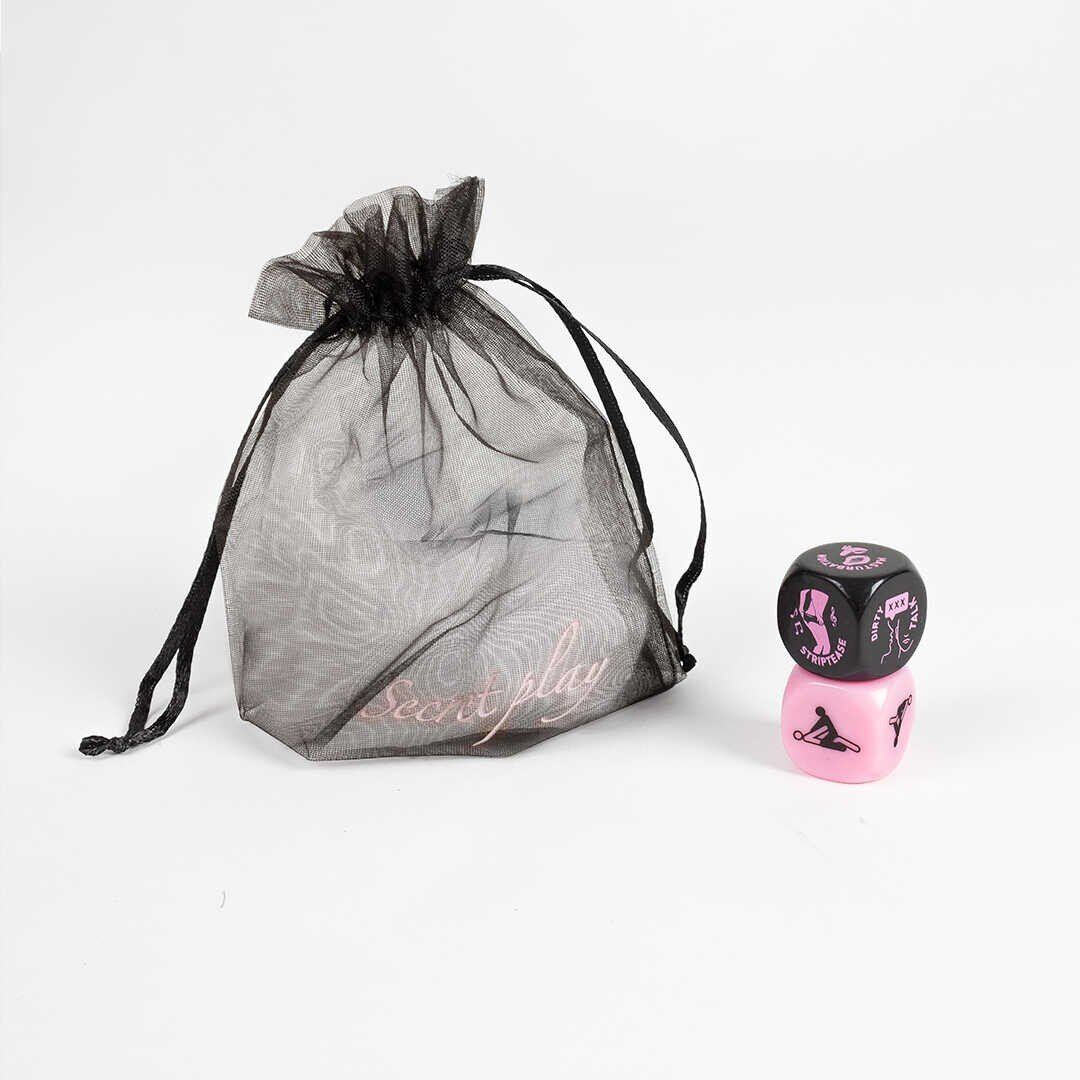
Secret Play Jeux de deux dés foreplay fanatics ! Dice lovers !Lancez les dés et laissez la curiosité guider vos gestes. C’est simple, ludique et terriblement excitant. Avec Jeux de deux dés foreplay fanatics ! Dice lovers ! de Secret Play, chaque lancer devient une promesse de découverte complice. Le plaisir se cache dans l’imprévisible, et ces petits cubes4,99 €*Shipping: 3,90 €Secure redirect to the provider
-
What are fluorescent woodlice?
Fluorescent woodlice are woodlice that have been genetically modified to produce a fluorescent protein, causing them to glow under ultraviolet light. This modification allows researchers to track the movement and behavior of the woodlice in experiments. Fluorescent woodlice are commonly used in scientific studies to understand their behavior, ecology, and interactions with their environment. **
-
What do woodlice eat?
Woodlice are detritivores, which means they primarily feed on decaying organic matter such as dead leaves, wood, and other plant material. They also consume fungi and algae. Additionally, woodlice may feed on small insects or other invertebrates if given the opportunity. Overall, woodlice play an important role in the decomposition of organic matter in their environment. **
-
Do woodlice like clay?
Woodlice prefer damp and dark environments, so they are not typically attracted to clay, which is dry and compact. Woodlice are more commonly found in moist areas such as under rocks, logs, and in decaying organic matter. Therefore, it is unlikely that woodlice would be particularly drawn to clay as a habitat. **
-
Why are woodlice called that?
Woodlice are called that because they are small crustaceans that are commonly found in damp and decaying wood or leaf litter. They have a hard exoskeleton that resembles the texture of wood, and they curl up into a ball when threatened, resembling a small piece of wood. The name "woodlice" reflects their habitat and physical characteristics, making it a fitting and descriptive name for these creatures. **
Can praying mantises kill woodlice?
Yes, praying mantises are known to feed on woodlice. They are skilled hunters and will catch and eat woodlice as part of their diet. Praying mantises are ambush predators and use their powerful front legs to grab and hold their prey while they eat it. So, they are capable of killing and consuming woodlice as part of their natural feeding behavior. **
Are these cockroaches or woodlice?
These are woodlice. Woodlice are small crustaceans that are commonly found in damp environments like gardens, under rocks, or in rotting wood. They have a segmented body and seven pairs of legs, which distinguish them from cockroaches. Cockroaches, on the other hand, have a flattened body, long antennae, and are typically larger in size compared to woodlice. **
Top-Angebote
Products related to Woodlice:
-
Bijoux Indiscrets Jeu de dés sensuel lucky love diceLancez les dés et laissez le hasard guider vos envies. Simple, ludique, excitant. Le Jeu de dés sensuel lucky love dice de Bijoux Indiscrets transforme chaque moment à deux en terrain d’exploration complice. Trois petits cubes, une infinité de combinaisons pour réveiller la curiosité et la7,95 €*Shipping: 3,90 €Secure redirect to the provider
-
The House Of Oud Gambling Eau de Parfum mixte 75 mlThe House Of Oud Gambling, 75 ml, Eaux de Parfum mixte, Laissez-vous imprégner d’un parfum qui vous mettra de bonne humeur tout au long de la journée. L’eau de parfum mixte The House Of Oud Gambling reflète l’optimisme et le bonheur à l’état pur. parfum aromatique aux notes d’herbes parfum boisé pour les personnes au style peu conventionnel un parfum unique qui se prête aux occasions spéciales parfum mixte134,90 €*Shipping: 3,45 €Secure redirect to the provider
-
Secret Play Jeux de deux dés foreplay fanatics ! Dice lovers !Lancez les dés et laissez la curiosité guider vos gestes. C’est simple, ludique et terriblement excitant. Avec Jeux de deux dés foreplay fanatics ! Dice lovers ! de Secret Play, chaque lancer devient une promesse de découverte complice. Le plaisir se cache dans l’imprévisible, et ces petits cubes4,99 €*Shipping: 3,90 €Secure redirect to the provider
-
Why are woodlice called woodlice?
Woodlice are called woodlice because they are commonly found in damp, dark environments such as under logs, rocks, and in decaying wood. They are also known to feed on decaying organic matter, including wood. The name "woodlice" reflects their habitat and diet preferences, as they are often associated with wood and other organic materials. **
-
What helps against woodlice?
To help control woodlice infestations, it is important to eliminate their hiding spots by removing debris, mulch, and other organic matter from around the home. Sealing cracks and crevices in the foundation and walls can also prevent woodlice from entering the house. Additionally, using insecticides or natural repellents such as diatomaceous earth or cedar oil can help deter woodlice from infesting your home. **
-
What are fluorescent woodlice?
Fluorescent woodlice are woodlice that have been genetically modified to produce a fluorescent protein, causing them to glow under ultraviolet light. This modification allows researchers to track the movement and behavior of the woodlice in experiments. Fluorescent woodlice are commonly used in scientific studies to understand their behavior, ecology, and interactions with their environment. **
-
What do woodlice eat?
Woodlice are detritivores, which means they primarily feed on decaying organic matter such as dead leaves, wood, and other plant material. They also consume fungi and algae. Additionally, woodlice may feed on small insects or other invertebrates if given the opportunity. Overall, woodlice play an important role in the decomposition of organic matter in their environment. **
Similar search terms for Woodlice
-
Do woodlice like clay?
Woodlice prefer damp and dark environments, so they are not typically attracted to clay, which is dry and compact. Woodlice are more commonly found in moist areas such as under rocks, logs, and in decaying organic matter. Therefore, it is unlikely that woodlice would be particularly drawn to clay as a habitat. **
-
Why are woodlice called that?
Woodlice are called that because they are small crustaceans that are commonly found in damp and decaying wood or leaf litter. They have a hard exoskeleton that resembles the texture of wood, and they curl up into a ball when threatened, resembling a small piece of wood. The name "woodlice" reflects their habitat and physical characteristics, making it a fitting and descriptive name for these creatures. **
-
Can praying mantises kill woodlice?
Yes, praying mantises are known to feed on woodlice. They are skilled hunters and will catch and eat woodlice as part of their diet. Praying mantises are ambush predators and use their powerful front legs to grab and hold their prey while they eat it. So, they are capable of killing and consuming woodlice as part of their natural feeding behavior. **
-
Are these cockroaches or woodlice?
These are woodlice. Woodlice are small crustaceans that are commonly found in damp environments like gardens, under rocks, or in rotting wood. They have a segmented body and seven pairs of legs, which distinguish them from cockroaches. Cockroaches, on the other hand, have a flattened body, long antennae, and are typically larger in size compared to woodlice. **
* All prices are inclusive of VAT and, if applicable, plus shipping costs. The offer information is based on the details provided by the respective shop and is updated through automated processes. Real-time updates do not occur, so deviations can occur in individual cases. ** Note: Parts of this content were created by AI.